
And the Early Spring Cleaning.
Most insects are ectotherms. You may have learned this term as cold-blooded. The insects gain their warmth from the environment. Ecto-meaning outer, Thermal-heat. Therefore, they are more active when it is warmer and less so when it cools down. In Wisconsin, where I live, the temperature outside drops below freezing for months at a time, and the insects have developed survival methods to ensure their continued existence.
One method used by Monarch Butterflies and many of our feathered friends is to migrate to warmer climates. This is relatively easy for birds compared to butterflies. In fact, to travel the thousands of miles necessary to avoid winter’s freezing clutches, the monarch butterfly reproduces multiple generations. The butterfly that returns to feed from my milkweed plants in my perennial garden is the butterfly’s fourth or fifth-generation ancestor that mated and laid eggs the summer before.
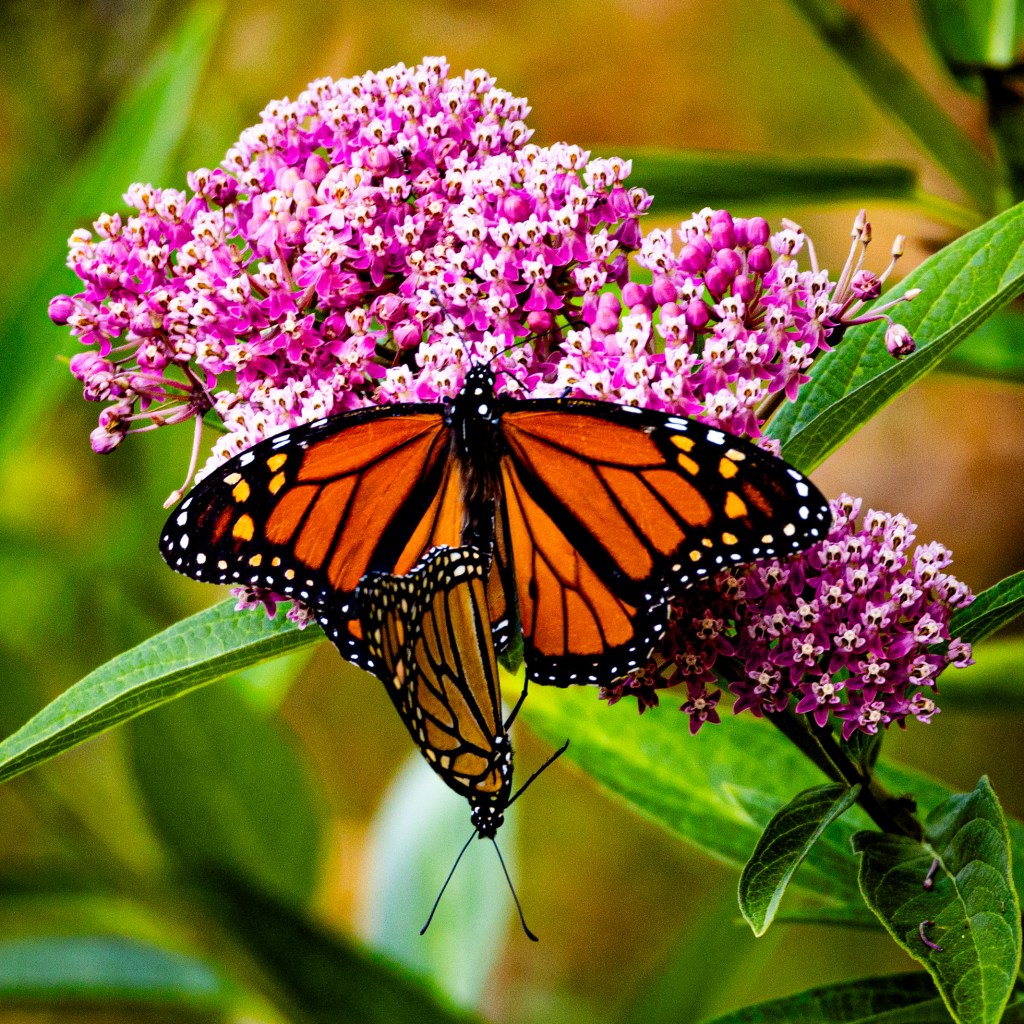
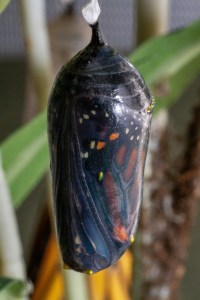
The super generation that lives 8 times longer and overwinters in the south will become sexually active as spring in the north approaches. They will mate, and then they all will die. After hatching into a caterpillar and changing to a butterfly, the next generation will head north. This generation will live 2-6 weeks and soon pass the baton to the next generation by mating and laying eggs on the way north. The caterpillars will forage, then metamorphose into the winged wonders and head further north. This northward migration can take 4 generations to complete.
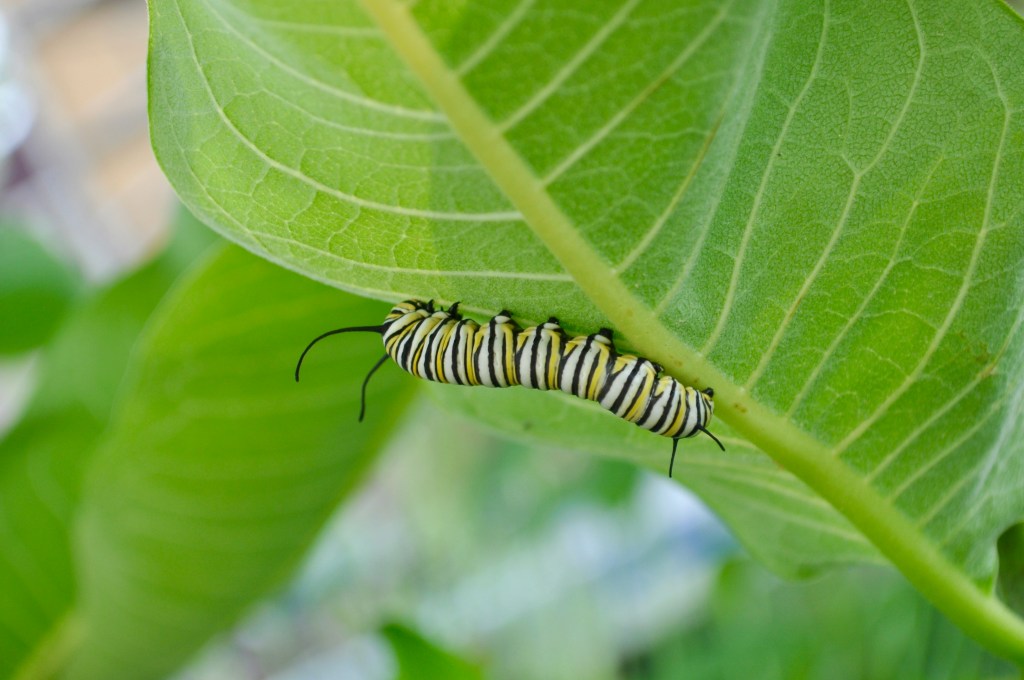
Most beneficial and benign insects are declining, and the Monarch Butterfly is no different. You can assist the Monarch by growing native milkweed in your yard. Like many other insects, the Monarch feeds on nectar, but it only lays its eggs on milkweed plants. It is a specialist. Milkweed produces latex, making it inaccessible to most organisms as a food source. But the Monarch caterpillar has evolved to feed off the Milkweed plant. While this limits the competition for this food source, it also makes them dependent on the abundance of Milkweed.
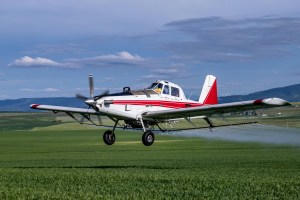
Industrial farming practices and the tendency for farmers to cut hedgerows and eliminate areas where the milkweed traditionally grew have limited the food supply. While habitat loss is a massive factor in the decline in butterfly numbers, pesticide use in the United States has devastated populations of beneficial insects.
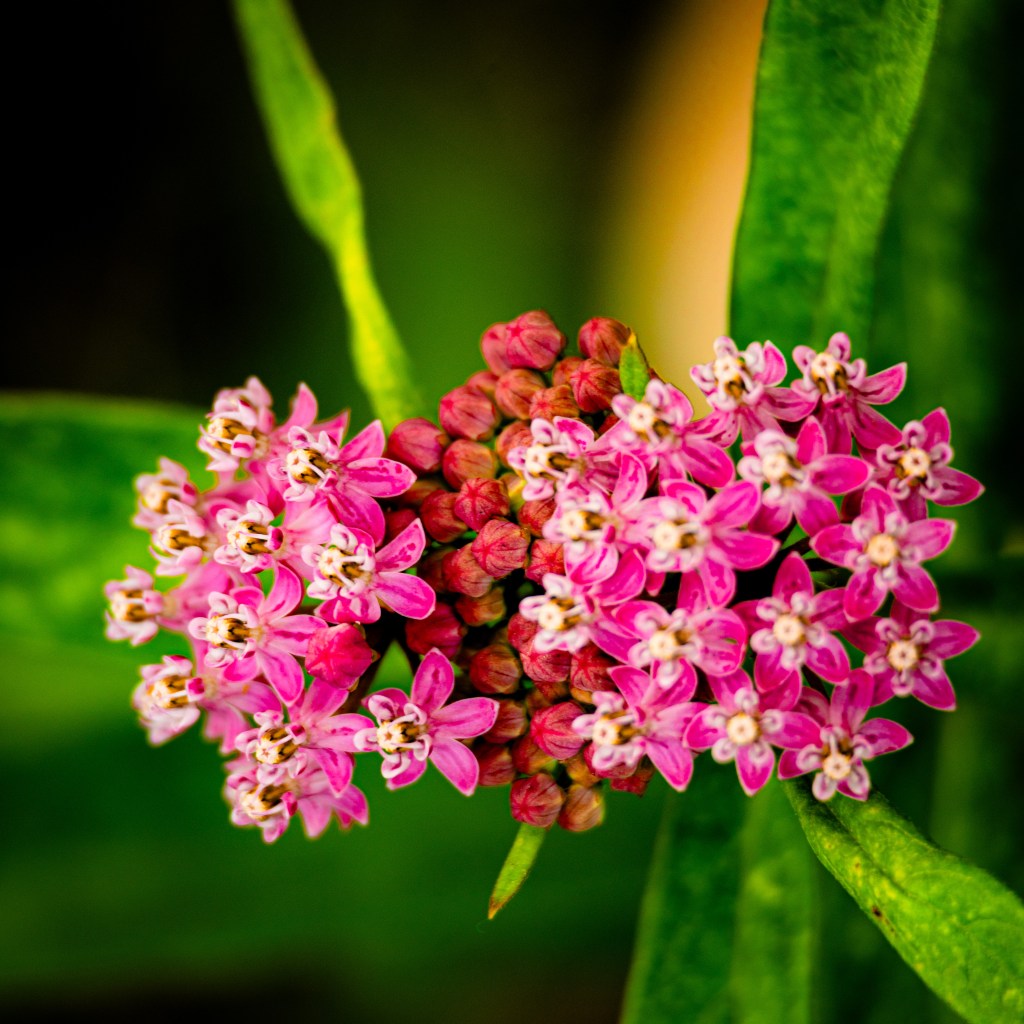
Here’s another chance to Save the Planet One Yard at a Time. Planting native Milkweed can assist Monarch butterflies in their struggle to survive. Take a look at past articles for information on native perennial gardens, and stay tuned for more on the impact of early spring. The Reign of the Monarch – Butterfly.
Please leave the leaves and the stems from last year’s growth in your flower beds until true spring has arrived. Check out Time to Think about Leaving the Leaves. And Avoid Springing into Spring Cleaning.
Another strategy insects use is to make their home in the leaf litter and debris found on the ground in a well-managed yard. Managed well for biodiversity, that is.
Many insects overwinter under the leaf litter, some under the bark of trees, and still more within the stems of dead and hollow stems. Some overwinter as larvae, according to the Smithsonian the woolly bear caterpillar, while other insects replace the water in their bodies with glycerol, a type of antifreeze!
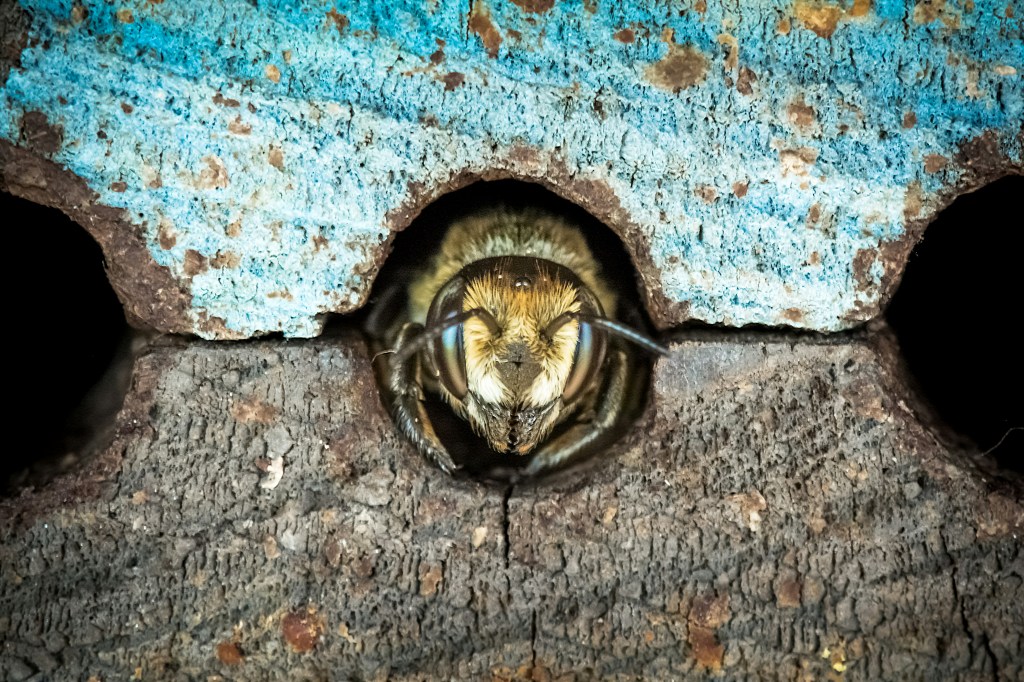
Native bees, which include many solitary bees or bees that do not live in large communities, often overwinter within the stems of plants. They lay eggs and build compartments within stems or inside wood. Praying Mantids also survive the winter by laying eggs, which hatch in the spring. We do not have any native praying Mantids in Wisconsin.
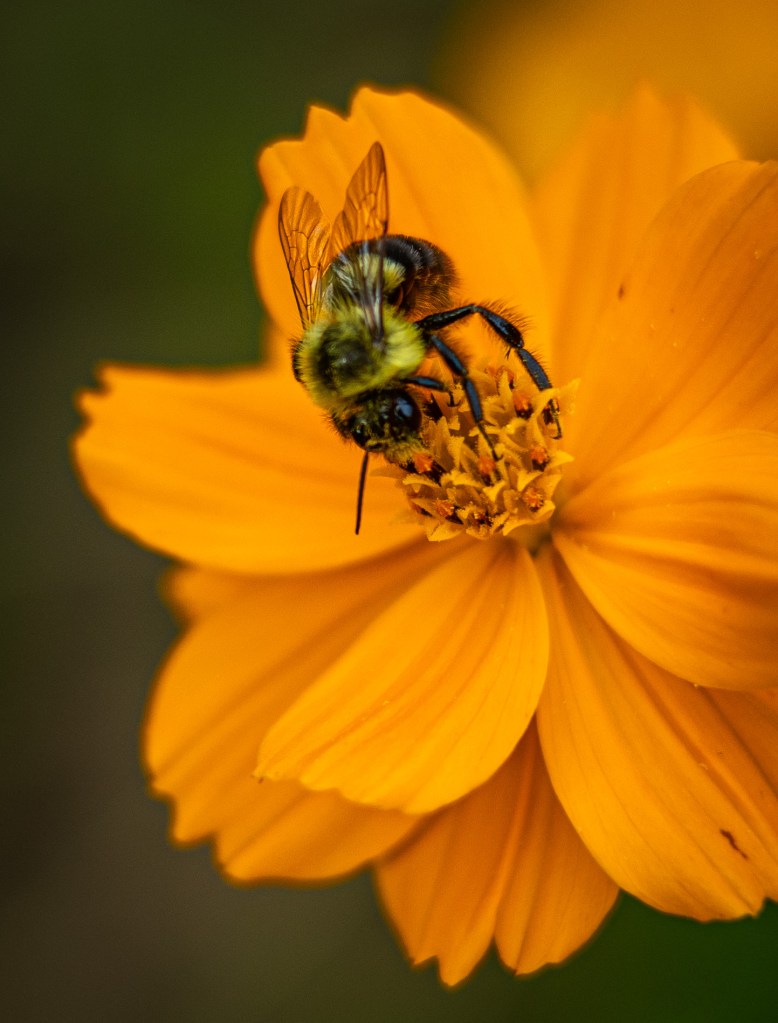
Bumble Bees burrow into the ground. This is why it is essential to maintain access to loose soil in, under, and around your garden. In the fall, the queen bee will find a hole, flowerpot, or crevice and burrow down. The queen will feed on nectar to gather fat stores and then produce glycerol to help its body to avoid freezing during the coldest months. To assist the bumblebees, mow with the blade setting as high as possible and avoid disturbing the leaf litter in the spring.
Moths overwinter in the pupae form. They can be found attached to the underside of leaves or sticks in the leaf litter. I spend countless hours watching the mother and father house wrens flitting about the back garden harvesting little white moths to feed to their chicks in the wooden box nest set up on the back fence.
Many other insects hibernate through the winter. Honeybees are nonnative bees and overwinter by hibernating in their maintained bee hives. The honeybees you see in your yard are domesticated bees.
The Ladybug is another example of a beneficial insect that hibernates to survive the winter. Another example is the morning cloak butterfly, which is native to much of North America and is often the earliest appearing butterfly in the north woods.
Of course, hundreds of thousands of other beneficial or benign insects have found incredible ways to adapt to the world around them. One of the most difficult things for insects to adapt to is the application of poisons designed to kill them. Property owners spend billions of dollars on insecticides in an effort to produce sterile, barren, lush green lawns.
We do this out of habit, without thought or ill intent. Though there are severe consequences for our actions. This blog and the following book, Listening for the Sounds of Summer, are dedicated to bringing about awareness and discussing the consequences of our actions and the alternative choices we can make.
There are better and easier ways to manage our lawns. There are more efficient, less expensive, and less harmful ways to maintain a well-groomed, biodiverse lawn and yard. I hope you will join me in Listening for the Sounds of Summer and in making the world a better place One Yard at a Time.
 T.L. Johnson
Leave a comment