
Last week, in Listening for the Sounds of Summer, I wrote an article about Giving the Dandelion their Day in the Sun. In Lansing, Michigan, they wrote over 1400 citations for unruly grass, as reported by the Lansing State Journal.


While in East Lansing, the city just on the other side of Hwy 127 embraces No Mow May. It is ludicrous that the Capital City of Michigan (Lansing) should be so backward thinking on a matter that is simple to understand.
-Less mowing and long grass in the spring means more early flowering nectar sources for endangered pollinators. It is an easy, proven effective strategy that literally takes no effort to produce positive results.
What’s better than effortless success?
The mayor’s office communication officer Scott Bean commented that more people complain about unsightly lawns and weeds. Mr. Bean seems to think if people were interested in No Mow May, then they would first call the Mayor’s office instead of, say, letting their lawns grow and not mowing I’m May. Folks have heard of No Mow May. They decide to leave their lawns shaggy; this has been proven to help pollinators, it reduces pollution, and avoids poisoning their neighbors by limiting chemical applications.
He is the communication officer and yet knows nothing about communication. Of course, people complain. They love to complain. But actions speak louder than words and there are many who wish to Save the Planet One Yard at a Time.
A proper response might be to take the opportunity to educate the public on the service these socially conscious individuals are providing for the community. Explain how this helps the local indigenous bee population and other pollinators who benefit from the participants of No Mow May. Explain how this benefits everyone. And, perhaps, a gentle reminder to folks aiding the pollinators in early spring to raise their mower decks to the maximum level and cut their lawns every two weeks or so.
Dear Mayor of Lansing, Michigan, and Mr. Bean, please subscribe to my blog and read the article titled Giving Dandelions their Day in the Sun. Then have your city council do a bit of research and start educating the public on the importance of allowing pollinators to survive in the world. I would also suggest reading my mid-week article this week, A Tale of Two Yards, though after reading about how Lansing and East Lansing treat their citizens and their local pollinators, it might more aptly be titled A Tale of Two Cities.
It was truly the best of times and the worst of times.
To speed up the process of dandelion acceptance, I suggest someone in East Lansing who has a field of beautiful dandelions grown in a pesticide-free lawn pick a bunch and, using the recipe below, convert that yellow sunshine into dandelion wine and invite the Mayor Mr. Bean, and the City Council of Lansing over for an enlightening conversation about the benefits of mowing less in early spring. Look, let me know where you are going to meet, I think I can get my hands on some Wine made from yellow sunshine.
To assist you all in producing your own sunshine peace offerings, I offer you the following recipe.
To learn more about turning sunshine into wine, check out From Sunshine To Wine on my Start to Finish blog and on my Author Website, Terryjohnsonauthor.com, where I discuss how life is a process.
Rose Swanson’s Dandelion Wine
1 qt. packed dandelion blossoms
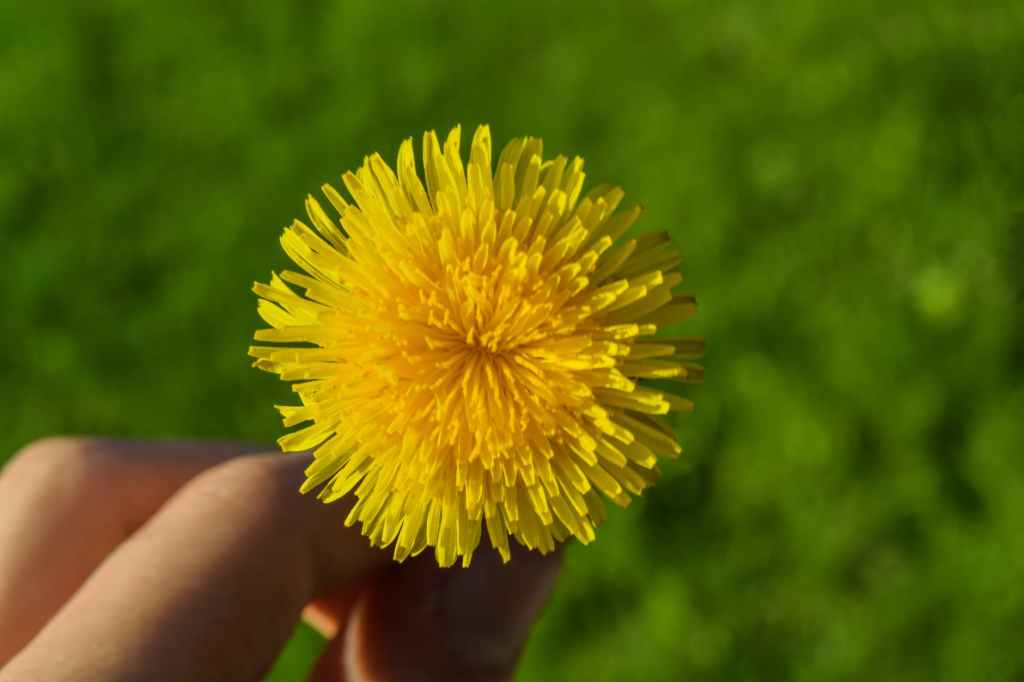
Pour 1 gal boiling water over these, let stand about 3 or 4 hrs. Stir a couple times.
Then when time is up, strain and put into a good size crock.
Add
3 lbs. sugar
1 large orange sliced
1 large lemon sliced
1 cup washed raisins
A small amount of yeast
Stir and let work a couple weeks
Strain and let work until it quits, takes about 6 weeks
Siphon and bottle this “to age”
==========
This recipe is transcribed almost verbatim from one of her treasured hand-written recipes. I remember decades ago when my Grandma Rose made it. Strong and sweet. Sometimes she would ask me to help by gathering the dandelion flowers from her yard. Since then, I’ve thought of her dandelion wine whenever I see a dandelion in bloom. I made my own batch last year, and it tastes surprisingly not bad.
Notes: I used 1 packet Lalvin EC-1118 yeast, and a 2-gallon plastic wine fermenter (not having a ‘goodsize crock’ on hand).
-Mary Swanson
After you’ve made some dandelion wine and preferably after you have had a few glasses with a friend and told them all about this blog/book and how you are busy saving the world one yard at a time. Let me know how you like it. And then enjoy Listening for the sounds of Summer while sitting on your porch sipping on the wine.
 T.L. Johnson
Leave a comment