Introduction
I wanted a nice green lawn. Most people do.
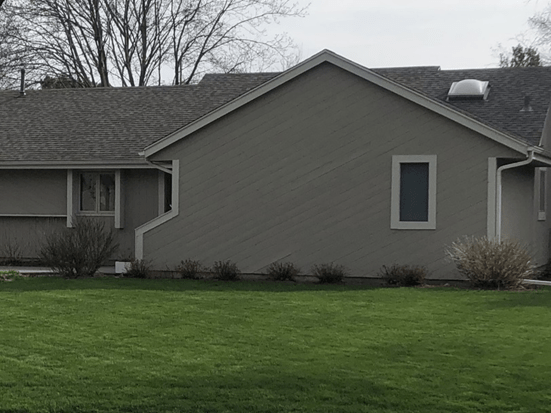
A yard a lot like this!
I am such an idiot!
While I have the advantage of knowing, or perhaps, realizing or at least being aware, that I am an idiot. I now realize the incredible idiocracy of a lawn.
I realized I was an idiot a while ago. Really I started to suspect we were all idiots. Humans, that is, not you personally. However, I’ll remind you that you are human and, therefore: Human. I am astonished at how long it took me to recognize the truth about lawns.
I should have known better. I graduated from The University of Steven’s Point, a school specializing in the study of natural resources. Though, to be fair, more than a few of the majors at Steven’s Point deal with the exploitation of said natural resources.
When I went to Steven’s Point, I thought the School of Natural Resources referred to the preservation and conservation of our natural resources. Funny how it’s all about your personal perspective. The exact words have different meanings to different people.
Natural Resources – materials or substances such as minerals, forests, water, and land fertility that occur in nature and can be used for economic gain.
Ah, I see. Look, it’s right there in the definition. It’s about the exploitation of natural resources for economic gain. Damn! What an idiot. So, at least some of those folks graduating and working in the paper industry or logging companies from Steven’s Point know the definition of sustainability, at least in its theoretical application. This means, in practice, it is impracticable to apply due to the facts governing profit-driven decision-making. Which is the default setting for most of us idiots. See, I am not totally naive.
This blog will follow the step-by-step process of producing a sustainable, biodiverse landscape in my yard. The Book I am writing is titled Listening for the Sounds of Summer. The title is both descriptive and profound. It is a theme we will revisit many times.
What would it take to make a difference? Can one person make a difference? Initially, the idea to take action and document the attempt came from an activity I did with a high school leadership class I taught. You probably know it as a Passion Project, Wonder Project, or some other name. For this activity, students are given the time to explore an idea they find interesting. As an example for my class, I wrote down a few ideas about what I would do if I could do anything I wanted to. I came up with the following.
What would it take to convert my middle-class suburban home into a net zero carbon emissions existence?
During the winter of 2022, I began discussing the premise of this book with my colleagues, students, and family. My wife was supportive but had many questions. My daughter was enthusiastic and eager to explore the possibilities. And my son was a combination of both. His input led me to narrow my focus. After some reflection and investigation into what was possible (always a dangerous step when considering taking action due to the likelihood that you will run into a gumption trap somewhere that will deflate the balloon of possibilities to the point of why bother), we came up with the following.
I will transform my lawn into a more natural biodiverse habitat without using toxic or harmful chemicals while at the same time reducing my carbon footprint.
Instead of converting my entire lifestyle to a zero-carbon footprint existence, I would start with one aspect of suburban life. It was exciting. We found an actionable step that was simple in concept, scalable, and impactful. The plan is to transform my lawn, though here, I use the term loosely to describe a collection of turfgrass and what is widely known as weeds that currently occupy my landscape. I will share the trials and tribulations of changing my yard into a more natural biodiverse habitat without using toxic or harmful chemicals while at the same time reducing my carbon footprint. This blog is about wide-ranging environmental issues and an attempt to make a difference, with some generational guilt thrown in for good measure. I want to share with you a story. A true story based on facts and science but chock full of tales about human frailties, hubris, failures, and perhaps at its core, a cathartic effort to glimpse what embers of hope remain for the natural world. And here we find yet another of our human superpowers, hope.
One of the first considerations is that our lawn or landscape should be sustainable.
Sustainable – The avoidance of the depletion of natural resources.
I hope that by sharing a few stories, each containing some hard facts, the reason for using sustainability as a touchstone will become painfully evident. Alongside the facts and scientific evidence, I will sprinkle in prose and poetry in an attempt to both entertain and convince you.
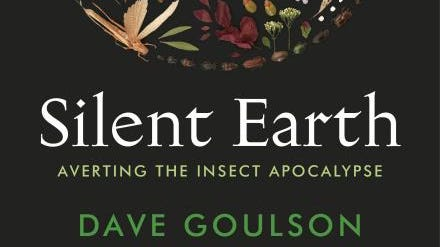
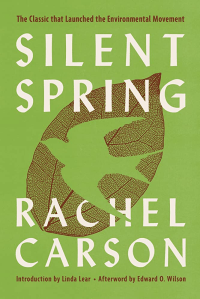
The title Listening for the Sounds of Summer came to mind when I was preparing to start this project. I had just read Silent Earth, by David Goulson, where he discusses the demise of insects due to the proliferation of pesticides, and I was reflecting on Silent Spring, Rachel Carson’s book written way back in 1962, which brought the plight of the declining bird populations to the attention of the American public.
Rachel Carson pointed to synthetic pesticides as the culprit in ecosystem collapse. We remember her primarily for bringing attention to the effects of DDT. It gained the public’s attention because the chemical’s build-up in the environment led to the thinning of egg shells of birds of prey. Including the American Bald Eagle. The United States National symbol. A strong motivator for action.
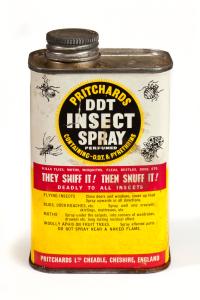
DDT was banned in the United States in 1972. If you are wondering, it is still used in other parts of the world today. It is cheap and kills many types of insects, including mosquitos. It doesn’t really matter that netting has proven to be most effective in preventing malaria. Folks are human, after all, and won’t be reasoned by the facts. They have their own stories to live by. And their story includes using DDT to kill the mosquito regardless of the side effects or efficacy.

Silent Earth? Silent Spring? Ah, Listening for the Sounds of Summer. You’ll see and hopefully be able to hear for yourself just what I am talking about. Deep down, I hope you experience the exact magical moment we encounter in mid-summer during the project’s first year.
Last summer, I stood on the road just as evening set in. Across the street. Three immaculate lawns. Two of the three were sprayed periodically by a lawn service, the other curated by John, my neighbor. More about John’s property later.
Well, it was a few months into my project. I had some wildflowers growing, and the grass was let to grow on one side of the driveway. On the other, I was attempting to produce a bee lawn. I cut the lawn less than weekly and let it grow even longer in some areas. But I hypothesize the crucial thing I did is something I didn’t do. I did not use any pesticides or poisons on my lawn. Yes, I had what you might call weeds. We’ll talk about weeds later.
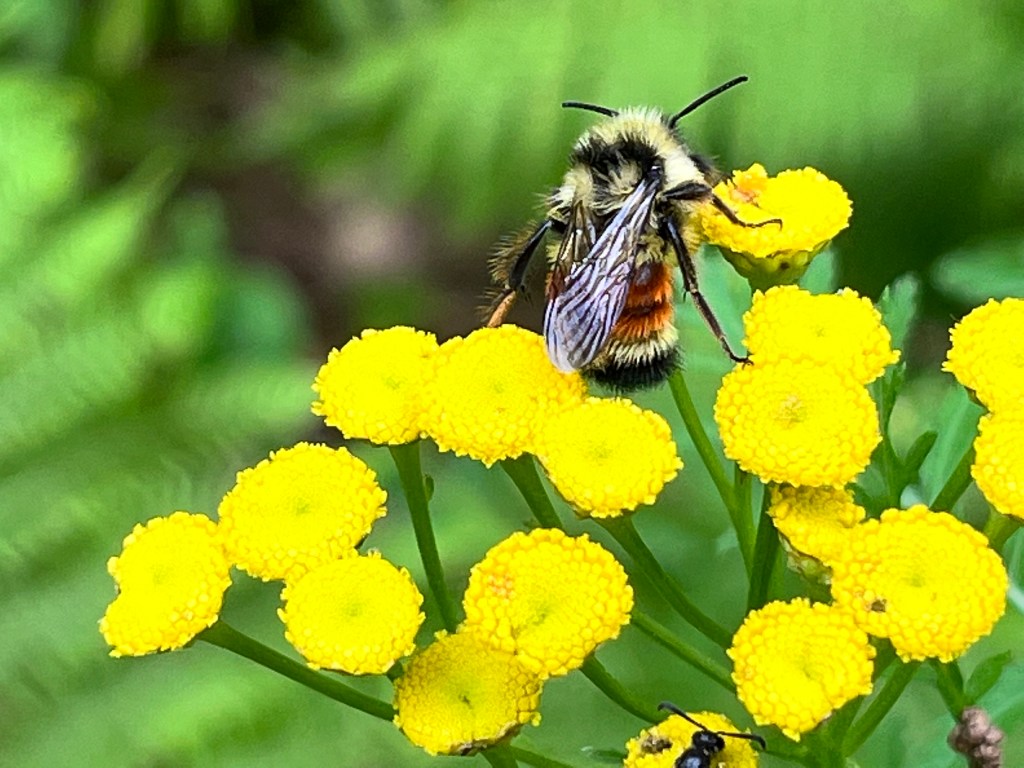
I stood on the street for a minute or so. A stupid grin grew on my face. I hurried inside and once again lured my wife out to see what marvels the project had presented. We stood for a while. She was looking around, wondering what I had to show her now. I brought her to the project almost daily to show her something new. We toured the lawn in late April and early May to see the dandelions with the bees on them. Amazing. There are so many native bees. I had no clue. One day I called her to the window, and we peeked out to see the fawns, yes plural, lying in our lawn. I took pictures of the turkey poults walking through our flower garden.
“What,” she asked as we stood on the street looking toward our property.
“Listen,” I said.
There was a cacophony of sounds coming from our landscape. It was magical. I was giggling and giddy. I led her the ten yards across the street and said, “But listen.”
The three lawns across the street were silent. Not a peep. On our side of the street, there was chirping, peeping, tweeting, and rasping. I am not an entomologist or ornithologist; suffice it to say the bugs and birds were in a full-throated harmonious chorus.
It is my hope in writing this blog and this book that people will consider taking a few simple, actionable steps to have this incredible experience for themselves.
Here is what my lawn looks like. April 2022.
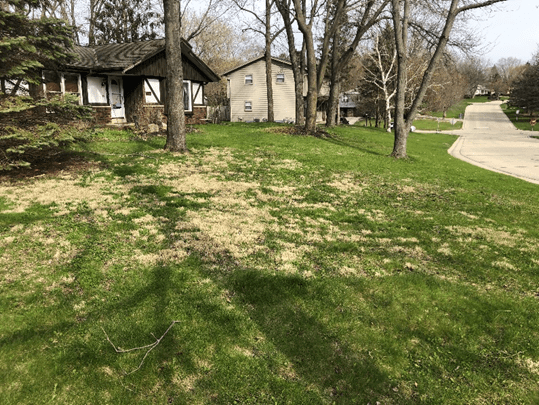
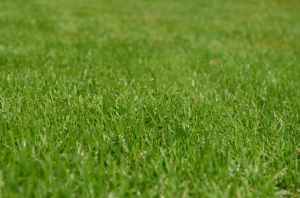
And in case you forgot. This is what John’s lawn looks like.
Embarrassing right?
Yeah! Embarrassing for him! See what I did there? I turned it around. And that is what I am going to do. To and with you, turn you from a pristine green lawnscaper into an innovative builder of biodiversity. A resource-conserving, nature-protecting, beauty-enhancing landscaper. By the end of the book or this summer, if you are reading the blog, I think you will agree that the perfectly manicured lawn in the second picture is a waste of time and energy and a monoculture-d wasteland. And while not necessarily an evil entity, most definitely an unintentionally horrific culmination of keeping up with the Jonesmanship. Or, in this case, Johnsmanship.
You may look at the pictures above and disagree with my assessment. That is okay. I won’t take it personally. After all, you haven’t read the blog or the book yet. Others who are reading this already agree with me. So what’s in it for them? So, so much. You will learn something. You will enjoy learning something, and I promise you will be entertained. You may use some of what you learn to make a distinct and tangible difference in the world. Who knows, you may share that information with a brother or sister or friend or perhaps the Guy next door.
Pexels.com
I don’t take it personally. I used to be the Guy next door. The idea of a lawn is so ubiquitous and holds sway so firmly that I fell for it without thought. I never once considered the alternative. I have since learned there is a better way. There are alternatives for every level of desired commitment. In fact, I would go as far as to say I am anti-lawn. I will give voice to the science behind good lawn stewardship. There is such a thing. A way to have a lawn that is much less impactful to the environment. But I will say that even a lawn that limits the pollution to the surrounding environment is still a monoculture that supports almost zero living organisms.
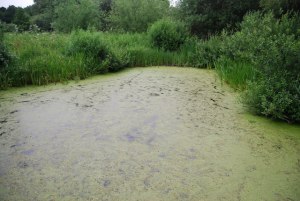
So, when I say I am anti-lawn, it is because they are unsustainable and contribute to the degradation of the environment and our health. And even when properly cared for, they contribute practically nothing to the biodiversity around us. At best, they are Silent voids of green. At worst, they contribute to the eutrophication of lakes and streams. Create Dead Zones in our oceans, contribute to climate change as well as the depopulation of beneficial insects due to habitat loss and poisoning through the use of pesticides and herbicides.
In 2021 I started letting the grass grow on one side of the driveway. It looked wild and natural. When I started the project, I cut the grass back and sprinkled indigenous wildflower seeds through the lawn. When those failed to out-compete the turfgrass, I purchased some native plants from a local nursery. I then started researching for the book and realized my first mistake. The native seeds can’t compete against the established turfgrass. You need to remove the grass. There are several ways to accomplish that, and I will review each in detail in upcoming articles. But I did want to mention it first, just in case my writing had the desired effect and you, as the reader, feel compelled to take action and start on your own biodiversity project.
Next week, I will share with you some of those basics on how to get started. Don’t worry future articles will dive deeply into the obsession with lawns. How did it start? Why does it continue? Why it should stop! What are the alternatives? And more.
Please take a moment to subscribe. In doing so, you will receive an email with the latest post and when the book is published, subscribers will also receive a discount on their purchase. If you have questions or comments, leave them in the space provided, and thank you for your support.
 T.L. Johnson
Leave a comment