
This week’s article will again focus on potential solutions to our waste management problems in the US. We will explore the idea of a Circular Economy and compare it to what we currently have. I will also provide a few links to organizations dedicated to bringing about this sustainable idea.
What is a Circular Economy?

A circular economy is an economic system that aims to minimize waste and promote the sustainable use of resources. In a circular economy, resources are kept in use for as long as possible, waste is minimized, and materials are reused, repaired, or recycled.
Minimize waste.
Sustainable use of resources.
Reclaim and recycle.
Let us compare that approach to our current process.
The “Take, Make and Dispose,” System of production.

Where corporations take nonrenewable resources (that really belong to all of us) from the natural environment (usually destroying the natural environment in the process). Then they make a product (using and polluting water) Using Fossil fuels (polluting the atmosphere) (The Fossil Fuels were also taken from the environment, causing further environmental degradation.)
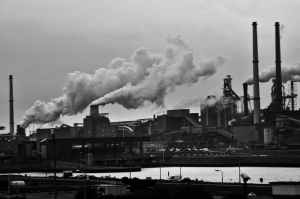
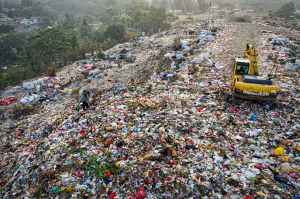
And as I have discussed in some detail, here in the US, the corporation simply leaves it to the consumer to dispose of their product (consider the cost of all the garbage collection and recycling programs your taxes pay for.) (Consider the cost imposed by Climate Change, the cost on human health and environmental pollution.)
How does this compare to a Circular Economy model?
Take – Non-sustainable, subsidized acquisition of nonrenewable resources with little to no consideration for environmental impact.
Make – Waste is only a consideration in production efficiency. Sustainability is not a consideration.
Dispose – Corporations are free to produce toxic and nonrecyclable products, and they are not responsible for the amount of waste produced.
The Take, Make, and Dispose model is a great deal for corporations. Their bottom line is a false bottom, supported by all the abovementioned costs. We, the consumer, the taxpayer, end up paying the price with more than just our taxes. There are Real health and societal implications to consider.
One possible solution you will hear more about is called Circular Economy. In an earlier article, we discussed how US corporations used (hijacked) this term as a Greenwashing technique. The idea has been around for a long time, and companies like to throw it around as a long-term goal. However, they are rarely serious about doing their part to complete the circle. Let me explain.
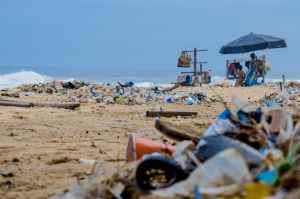
In the US, we recycle around 5% of plastics. Why? Scientists working in the plastic industry have studied the matter for many years and have concluded that it is not economically viable to do so. It is a losing proposition. It is unsustainable.
Did they make those studies public? Did they perhaps change their production process so they produced more easily recyclable products?
No, and no. And they most certainly didn’t create a component of their business that would lose money dealing with the problem. Instead, they turned to their marketing department to wash their hands of the problem altogether. They spent the money calling for communities to recycle the plastic pollution they produce. Pushing the cost of recycling onto the consumer even though they know the process is unsustainable.
Still, they spend millions of dollars advertising for recycling programs and have websites that spout their long-term goal to create a Circular Economy while having no intention of actually making the structural changes to production and infrastructure to make a Circular Economy possible.
Remember, some EU countries recycle plastics at rates approaching 50%, but that doesn’t tell the whole story. They can achieve these higher rates because their governments have passed laws forcing the producers to be responsible for collecting and recycling their products.
This has the effect of changing the behavior and producing structural changes in production. They produce less waste. And in many instances have adjusted the chemical makeup of their packaging to make it easier and more sustainable to recover and recycle. Without the regulation, corporations are not incentivized to do so.
The only way to create a Circular Economy is to plan it. Incentivize it and mandate it.
Because there is always more to the story, let’s explore some complexities when analyzing a Circular Economic System.
The EU regulations also consider the sustainability and use of resources and the amount of energy used in manufacturing and transport. As mentioned above, the three main principles of minimizing waste acquiring resources sustainably and reclaiming and recycling.
To break that down, let’s look at a reuse system from the past. The Milkman used to deliver pints of milk to the door and take away the used glass containers. They would then be reused. An idyllic Circular Economy. If we only focus on the ready-made glass bottles.
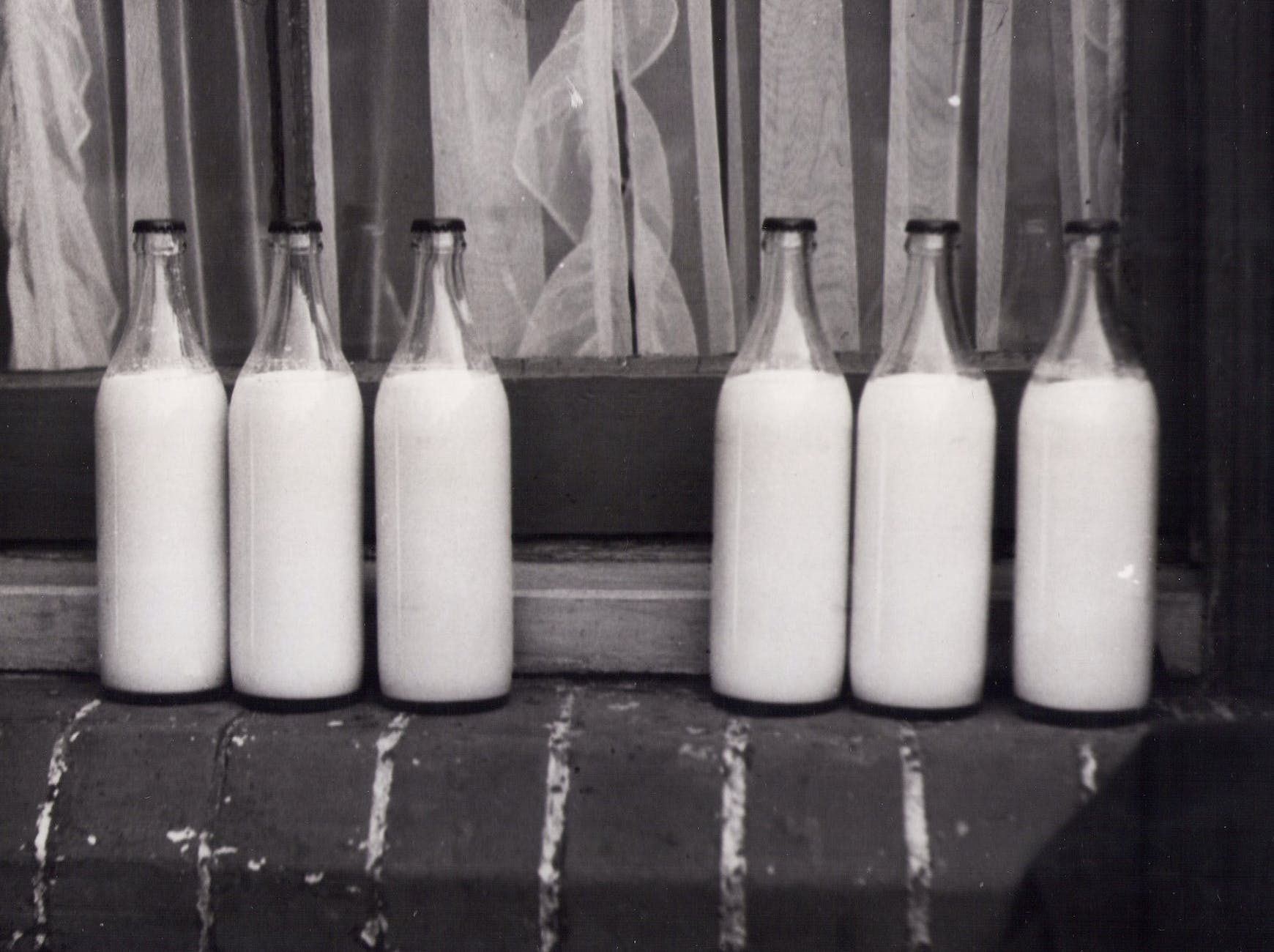
We have other factors to consider when judging the sustainability of a system.
Transportation of milk, collection, processing, delivery all of which will burn fossil fuels. Wait, there’s more. We also need to consider the pollution from running the farm machinery to raise the crops to feed the cows to make the milk.
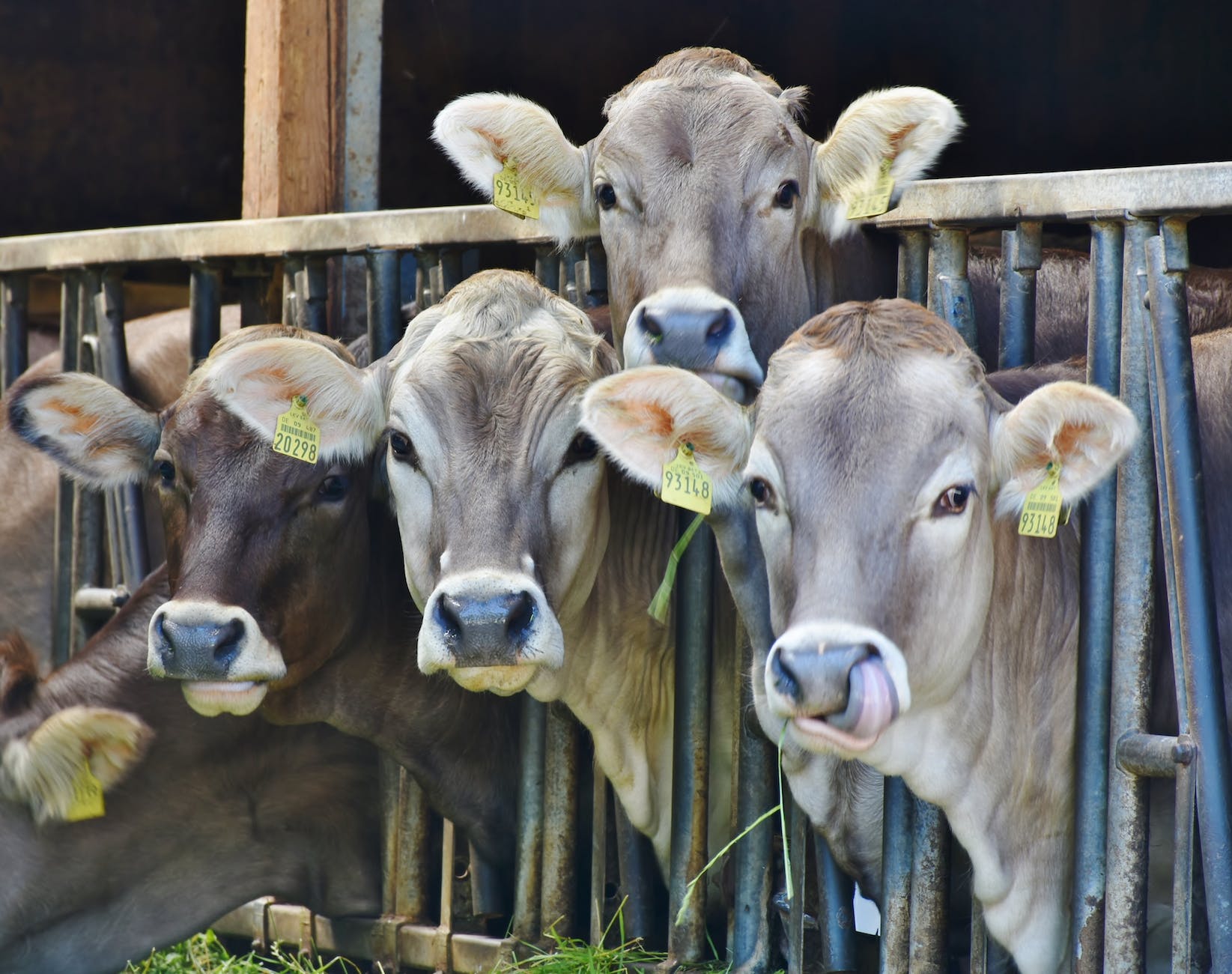
We would be remiss if we did not consider the environmental impact of the pesticides and herbicides sprayed on the crops grown to feed the cows to produce the milk. Much of which kills beneficial insects as well as pests. In addition, these chemicals turn up in our drinking water, and there is growing evidence that these chemicals can be harmful to humans.
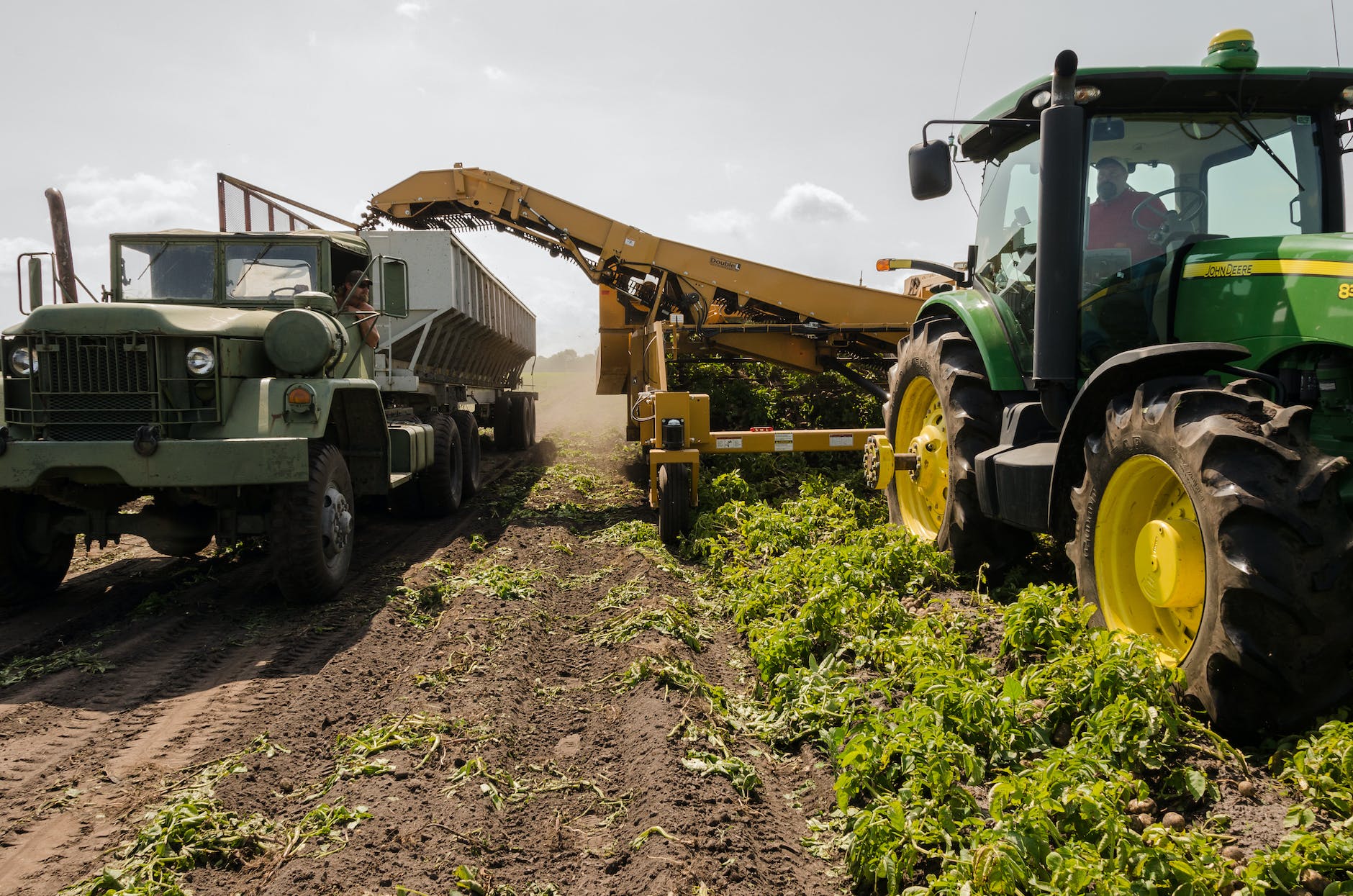
The list of considerations goes on. You might throw your hands up and say all this regulation has a cost. Prices will go up. If you are making this argument at this point, we must all throw up our hands up and perhaps add a face plant as well. Paying the Real cost up front is cheaper than paying the price after the problem has been spread across the planet and into the groundwater and has irrevocably changed the atmosphere.
Minimize waste.
Sustainable use of resources.
Reclaim and recycle.
The costs to lives, the environment, and society are far less when you plan and execute an economy based on sound regulatory principles. It is being done elsewhere, and we can do better as well. We have enough knowledge and know-how; what we need now is to elect leaders to represent our best interests. It just so happens to be in their best interests as well, in the long run. And most of us are in it for the long run. See – kids and grandchildren.

Thank you for joining me this week as we explore understandings of life’s processes and solutions to ongoing problems. Please take a moment to subscribe and hit the like and follow buttons.
Until next time, take care and Stay Curious.
 T.L. Johnson
Leave a comment