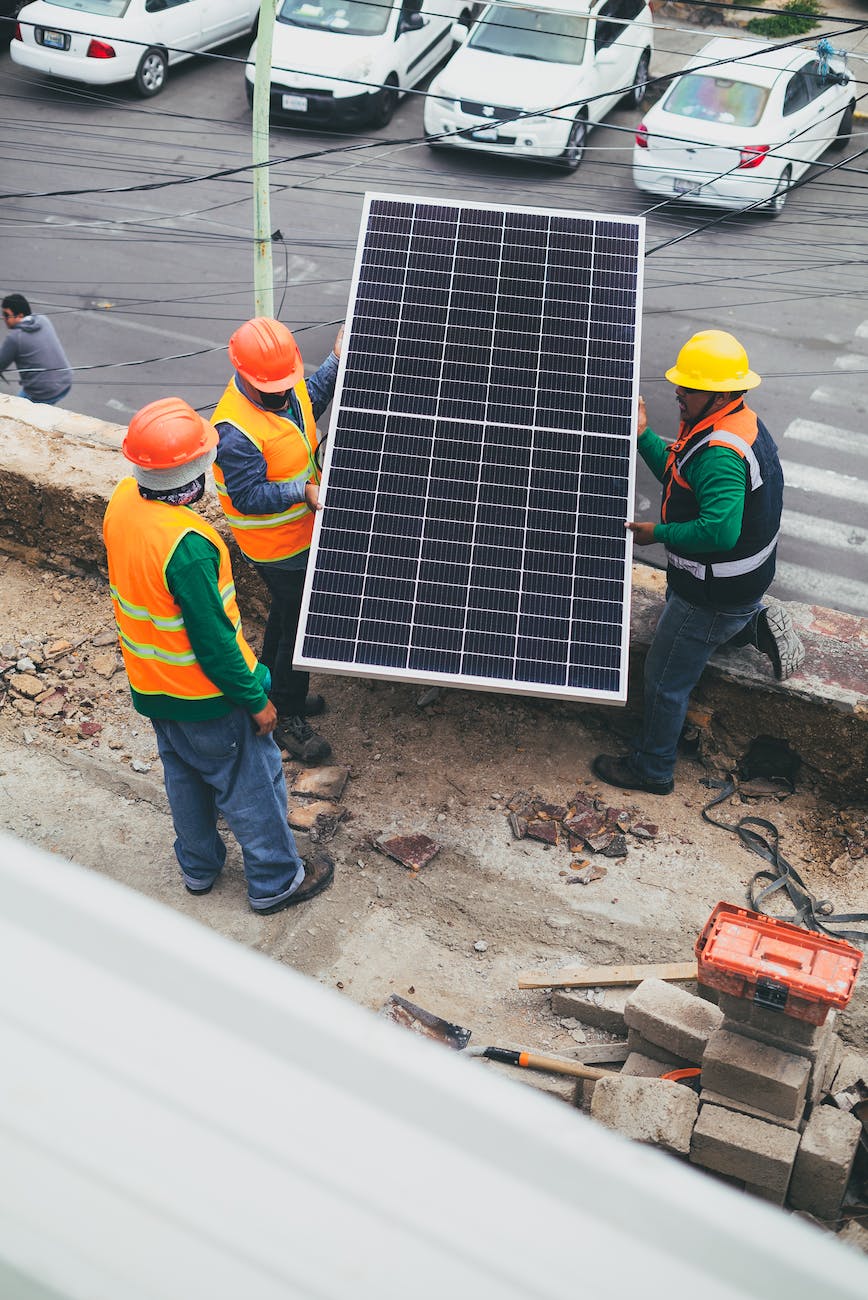
Another reader request. Can we recycle solar panels?
This is a rather interesting and timely question. We have been exploring plastic production’s impact on the environment, our health, and society. The lesson learned was one of basic common sense. An Environmental first principal. You know like
“There is No Away.”
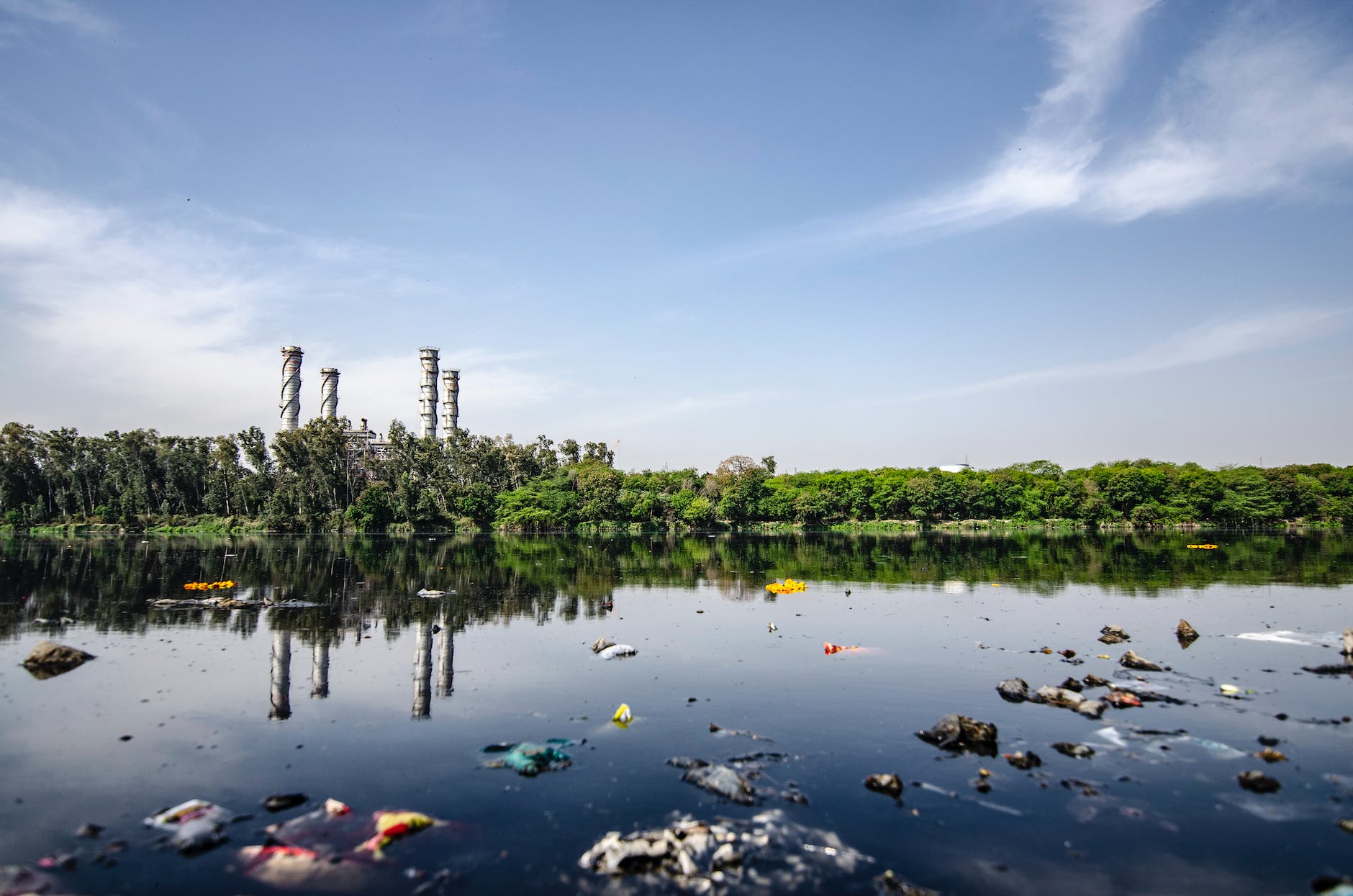
And the modern version; “We all live downstream.”
For early communities, there was, for all practical purposes, an away. You could simply deposit your waste into a nearby stream, and it would take it away. But with the increased population of humanity, we no longer have that luxury.??
Take a closer look at that. A rather human-centric point of view. Which, of course, is a large part of our problem as humans. We often and almost entirely look at things from a human perspective. Our interests are self-serving and short-sighted. We as humans became concerned about waste in the water because we discovered that the waste made us ill. One way we countered contaminated water sources back in the day was by drinking alcohol. You see, the alcohol in the ale, mead, or wine had the added benefit of killing pathogens. More on this topic when we explore From Water to Wine. From Water to Burbon and From Water to All Those Microbreweries.

We still dump large amounts of nutrient waste in the water, hoping it will simply go away. Which, of course, it won’t. (There is no away!) See: Alge Blooms and Dead Zones. Consider searching for Listening for the Sounds of Summer blog by Terry Johnson for more information on the effects of fertilizers on our waters. The blog will be released in April of 2023.
As a species, this approach has, up to now, served us well. We are the most dominant life form on the planet and have used our ingenuity to literally change and influence almost every measurable variable on its vast surface. And now seemingly in well below the ocean surface as well. And not in a good way, I might add. Certainly, as a species, we’ve done our part to propagate and copy our DNA, which of course, is our prime directive. So well done. But that does not mean it will all end well. Bacteria are very, very good at this game as well. There are, in fact, more bacterial cells on and in your body than human cells. They are by far the most abundant and, thus, by some measurement, the most successful life form on Earth. But what happens when they exponentially increase their numbers and outstrip the carrying capacity of their environment. Eventually, they either die from a lack of resources or from toxic chemicals they produce as a byproduct of their metabolism. A lesson learned. I wonder?
Disposing of waste was relatively convenient for early humans, and it is something that we seemingly grew accustomed to and cannot get over. For even though we know “There is No Away,” We have been dumping waste in ever-increasing concentrations and toxicity for thousands of years.
Another environmental principle that springs forth from our conversation is that it is easier to limit pollution than to clean it up. This is simple entropy. And other laws of thermodynamics as well. Sorry, not a physicist. My big takeaway from all my education and experience is that – Entropy always wins, and to battle, Entropy is a losing proposition.
“It is easier to limit pollution than to clean up the pollution.”
It is less expensive to limit pollution than to clean up the pollution. Industries and certain politicians will argue that these expenses will restrain industry growth. Of course, this is a short-sighted, profit-based ideology that, in some cultures, is a driving force of action. To fully understand the principle, one needs to be able to look at long-term costs to the whole of society and not just to the billionaire industrialist whose paid lobbyist and financially supported congressman are busy writing legislation that allows for corporations to forgo the long-term cost of their actions that lead directly to the degradation of the environmental, health and society. Ah, Capitalism. The blind hand of commerce. I might add, uncaring, unjust, and a pretty crappy environmentalist.

But how does all this relate to recycling solar panels? Green energy is our friend. Solar panels are the good guys. Ah, yeah, about that. Solar panels eventually wear out. And before they wear out, millions will be replaced because more efficient models will make them obsolete. Billions of solar panels will be installed and eventually replaced. What will we do with them then? If we go by past models of capitalism, the taxpayers will be left holding the garbage bag.
Think about it. We know plastics are a danger to the world. Plastic production is estimated to triple by the year 2050. Petroleum companies will make billions in profit. Climate Change will cost the world trillions, and millions of people will be adversely affected. Plastic disposal costs billions of dollars. Microplastics will have long-term environmental and health effects. But the Petroleum companies will have their billions and walk away from the mess they have made.
We know we will be producing and installing billions of solar panels. Solar panel providers will make billions in profits. We know they will need to be dealt with as trash at some point, sooner than later. We are talking about a matter of thirty years turn around.
It is clear we need new legislation in the United States on the principle that Entropy always wins, and to battle, Entropy is a losing proposition. Producers, be they from the petroleum, textile, or green energy industries, need to bear the majority of the costs for the waste they produce. Simple and appropriate solution. One that some countries, including the EU, have begun to embrace. We must put the legislation in place before the tide of obsolete solar panels overflows our landfills.
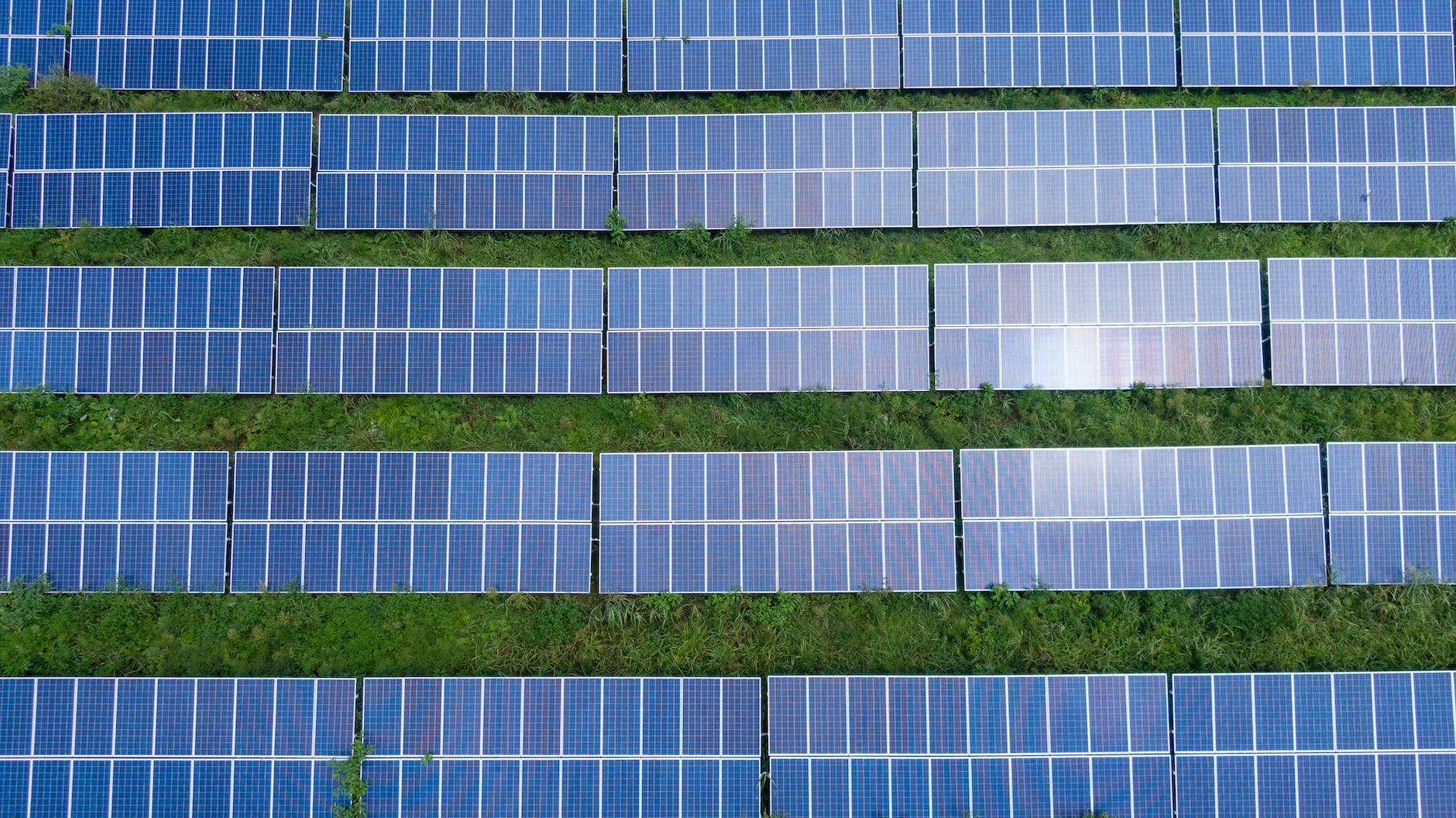
It is estimated that over 40% of solar panel producers will be out of business before 2030. Which means those companies will no longer exist. It will be, therefore, impossible to hold them financially responsible. And the remaining companies will argue that it isn’t fair that they are burdened with all the waste produced. Remember, it is far easier, more efficient, safer, and less costly to the people and the planet to limit pollution instead of waiting for it to be spread throughout the ecosystem and then calling for it to be cleaned up.

Solar panel providers should be responsible for producing the infrastructure for the reclamation of their waste products. They could do this by providing funds or building actual infrastructure. This needs to be mandated by public policy and cannot be entrusted to the goodwill of companies. Companies do not have goodwill. They are for-profit entities. Sometimes they may seem socially conscious, but in 99% of the instances, this is a covert sociological manipulation of consumers. By posing as socially conscious, they occupy a niche within the consuming public market and therefore reduce direct competition for their product. It is really just a marketing strategy.
Of course, the easy and ironically cheap counterargument made is that this will only serve to raise costs for consumers. What I have described as an unarguably simple principle is that it is harder to clean up pollution than prevent it. Unarguable means indisputable, not open to dispute. Yet it will be disputed. Yet the principle itself will not be disputed; after all, it is indisputable. No, instead, they will argue and win, mind you. I already surrender to the principle that humans are suckers and that we, while very good at short-term decision-making, are very bad indeed at long-term logistical management.
My big takeaway from all my education and experience is that – Entropy always wins, and to battle, Entropy is a losing proposition.
In the long run, I could counter that the saving is magnitudes higher than the slight short-term increase. We would be much better off taking our medicine now. The future would be better for it. But, of course, what good would it be. We are all about not paying taxes and cheap products at low prices.
At least for now. At least some of us. But that could change. It has changed in some places. There are examples of where things are done with forethought and planning. We will take a break from the doom and gloom to highlight examples of where it is working and what is being done in the upcoming articles.
Thank you all for your patronage. Keep those comments and likes coming. Make sure to tell your friends and subscribe to the newsletter.
Take care and stay curious.
 T.L. Johnson