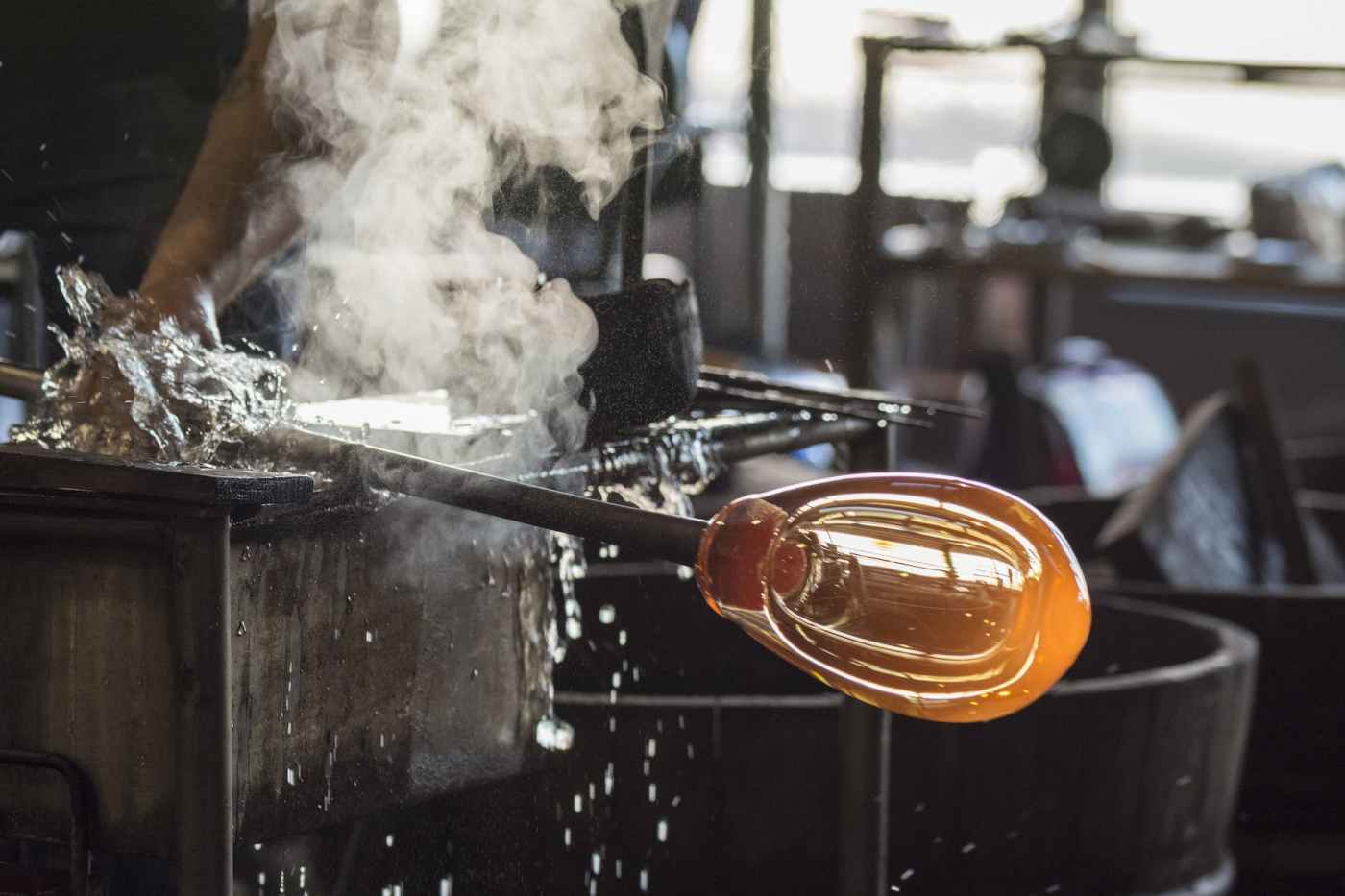
There is more to this week’s article than the title might imply. Yes, we will discuss how glass is made. That, after all, was a reader suggestion. I decided to explore this topic at this time as a follow-up to the article about recycling. It makes sense that we consider glass as an alternative to plastic.
Back to the topic at hand. From Sand to Glass.
Glass really is made from melting sand. Modern glass adds soda ash, limestone, and usually some recycled glass to the mix to produce the final product. Sounds simple enough.

The soda ash helps reduce the temperatures needed, and the limestone strengthens the glass. Using recycled glass lowers the cost of the finished product but does not diminish its quality.

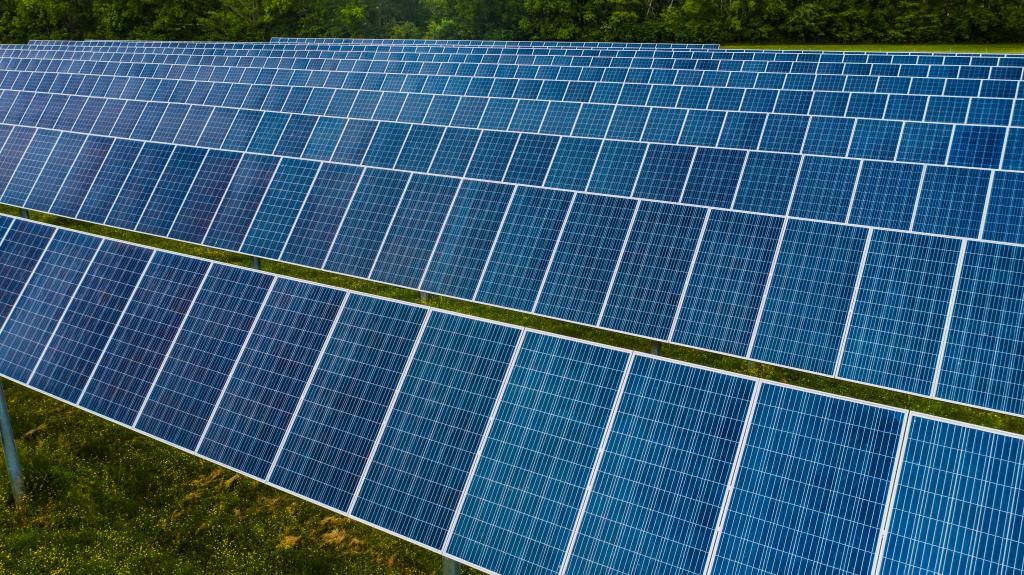
Glass is reusable and completely recyclable. It is used for everything from solar panels to the windows in your home. Using it for storing liquids is a no-brainer. Returnable, reusable, and recyclable. Say no more. But of course, I will. Because there’s always more to the story.
Heating the glass takes energy and produces carbon dioxide, a greenhouse gas. Glass is brittle compared to plastics, and you get losses due to breakage. Glass is also relatively heavy to transport. As was mentioned, the main ingredient in glass is sand (silica dioxide). While there is an immense amount of sand in the world, it is a non-renewable resource.
Sand is also used in construction, concrete, and computer chips. There are different types of sand around the world. Irregularly shaped sand is the best for construction. Therefore, there are regional scarcity issues regarding this natural resource.
Solar panel numbers are only going to increase. Their efficiency and price will drive consumers to replace their panels well before today’s panels’ thirty-year projected life cycle. This will massively increase the amount of waste from solar panels and outstrip the recycling capacity.
As pointed out in previous articles, plastics are unsustainable and pose an existential threat to the world. Is glass a good alternative? See; From Oil to Plastics to more Plastics and even more Plastics.
Why it’s a better alternative than plastics.
Glass is recyclable, and the quality of the recycled glass is not degraded. It can be continuously recycled over and over. So far, so good.
The U.S. only recycles 31% of glass. Other countries do much better. Sweden, Belgium, and Slovenia recycle over 90% of their glass products. So, we know it can be done.
To increase our recycling percentage, we need to separate our recycling. We should avoid glass in single-stream recycling systems. You know, where you through all the paper, plastic beer cans, and glass into the same container. You set it out on the curb and assume the waste management company that takes it away will recycle it. 5% of our recycling is actually recycled. It’s a scam. Check out my previous articles.
Glass has some critical advantages over plastics.
It is not produced from fossil fuels. It can be recycled indefinitely. 80% of all recycled glass can be reclaimed, and not all plastics can be recycled. Recycled glass uses 40% less energy than manufacturing new glass. Glass can also be cleaned, sterilized, and reused. It breaks down into inert, not toxic components.
Why are recycling rates so low, then?
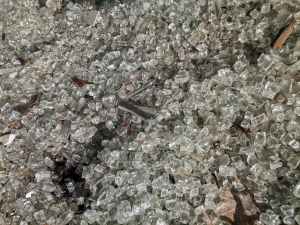
Glass presents issues for the recycling industry. Glass is heavier than paper and plastic, making it difficult and more expensive to ship and process. Broken glass is a hazard. Broken glass is a problem for mixed recyclables. It can contaminate the other potential recyclables and gum up the works of the machinery.
Some folks argue that glass products do not pose the same environmental hazards as other waste products and can be safely disposed of in landfills. After all, they do not break down into harmful chemicals and remain inert.
They cite all the problems glass poses to the single-stream recycling collection system, throw their hands in the air, and say we should just bury it.
The obvious counterargument is that we can do better. Glass recycling offers an economically profitable option. As mentioned earlier, we are experiencing a massive increase in solar panel production, which will produce in the near future the need for their disposal, which in turn creates opportunities for the recycling industry.
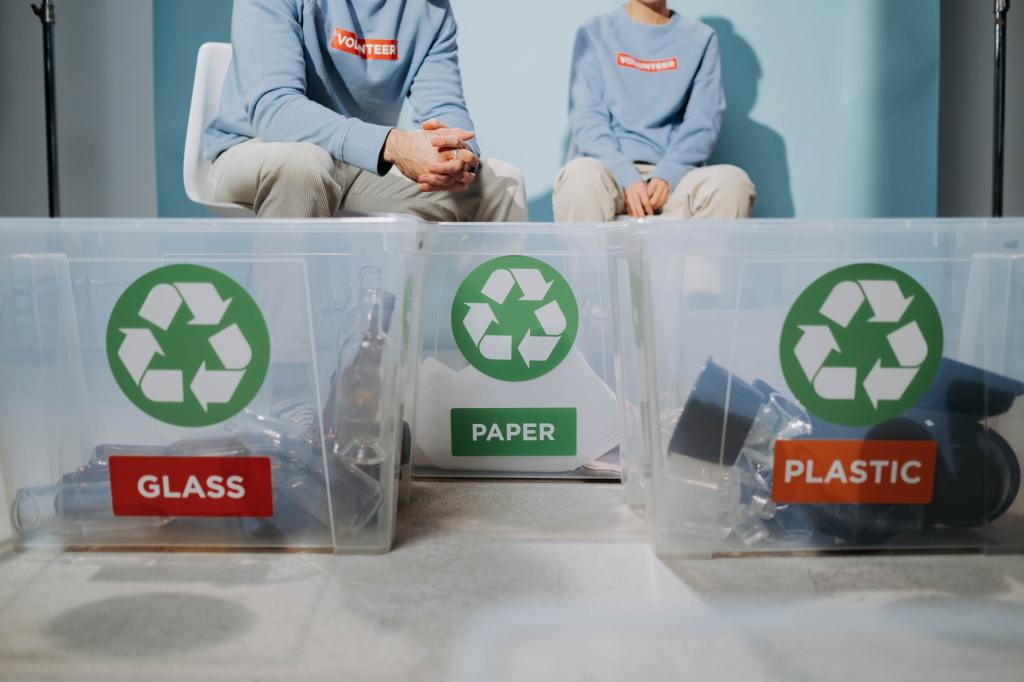
The obvious answer is to use multistream recycling instead of single-stream. Individuals are counted on to do more. You need to separate the glass from the plastic from the paper. You may need to set out the recycling on different days. And the majority of people, given a chance, would gladly do so. People want recycling to work. As discussed in my last article on plastics, The media campaign by the plastic industry has worked. 75% of Americans think recycling is a top priority. This is done elsewhere, and there is a need and a desire to do it here in the U.S.
When I was young, the soda we drank in our house came in glass bottles. We had a wooden case of assorted flavors. We would load up the case into the station wagon and drive to the beverage distributor. A large warehouse full of thousands of cases of soda awaits. We would drop off our case with the empty soda bottles, grab an empty wooden crate and walk through the maze of flavors. I understand nostalgia is powerful, but it was the best. I can still remember the concrete floor, the smell of the wooden crates, and the sound of the empty bottles rattling as we set them on the metal rollers and pushed them along the belt. I can still feel the cool chill in the air as we each picked our favorite flavors and negotiated how many orange, grape, and rootbeer sodas we would have.

We can develop systems to reuse glass bottles.
States that have passed bottle bills, where a fee, a deposit if you will, is added to the cost of glass products and reimbursed when brought to collection centers, increase the recycling rates above 90%. Compare that to the 31% rate for other states.
In an upcoming article, we will look more at alternatives to plastics and explore if there are safe, sustainable packaging and storage alternatives. Thanks again for joining me here at Start to Finish. If you have a comment, please leave it in the space provided. Make sure to hit that like button, and if you haven’t yet subscribed to the newsletter, take a moment to do so. Take care and stay curious.
A few of you are curious about why I am writing this blog. I plan to be completely transparent with my followers. While I hope to entertain and inform, I aim to expand readership and reach as many people as possible. I am launching a full-time writing career. I love to write, and as a retired teacher feel I have valuable information to share. I hope this authentic writing platform will allow me to get honest feedback and work to improve my writing and increase public awareness of my work. I have completed several novels in several genres, including science fiction, fantasy, and young adult. Your comments and feedback are appreciated, as well as your support. Stay tuned for further updates concerning all my ongoing projects.
 T.L. Johnson
Leave a comment