
From the title, you can tell that this article contains some troubling news.
Still good to look trouble squarely in the eye before we go on with our lives completely oblivious.
Worst news, first news. Plastic does not decompose. Plastic does not biodegrade.
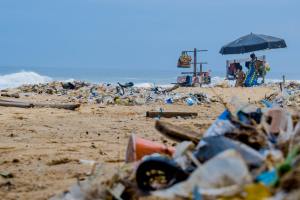
Come on, I’ve seen the news reports that claim plastic bags decompose in a landfill in 10-20 years, and plastic bottles take a little longer. Something like 450 years. But eventually, they break down into harmless chemicals, right? Right?
Ah, Wrong! They break down into smaller and smaller pieces of plastic! These tiny pieces of plastic are called microplastic; if small enough, they’re called nano-plastic. Particles that are small enough to enter our cells. Oh my!
In my article Fossil Fuels to Flowery Dresses I introduced the idea of Microplastic pollution and discussed some possible health concerns. The point is that more plastic is produced every day, and it is not going away.
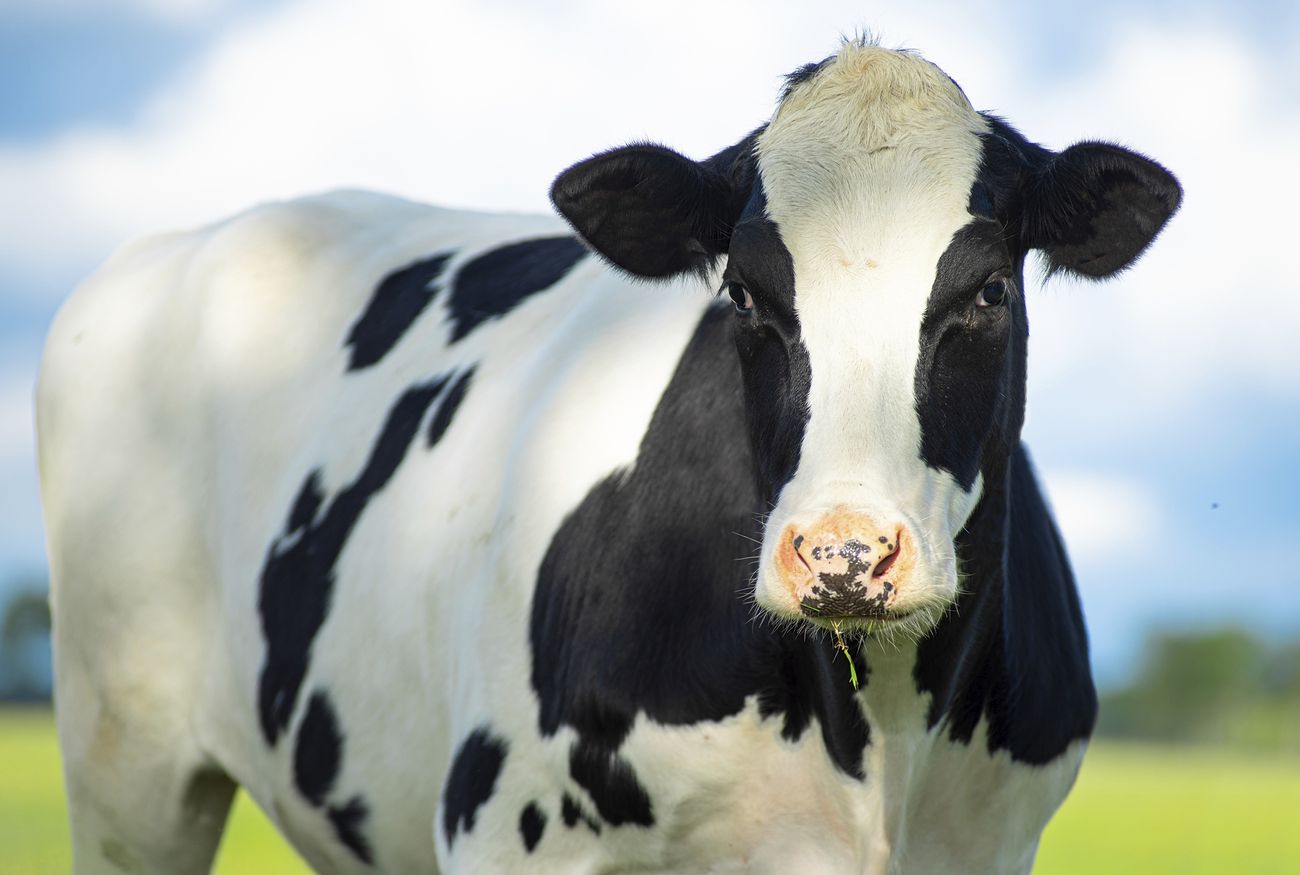
380 million metric tonnes of plastic are produced each year. This amount will double or triple by 2050. 8.3 Billion metric tonnes of plastic have been made since plastics were first produced in the 1950s. I mention this because plastic does not biodegrade. By the way, a metric ton is 1000 kilograms or roughly 2000 lbs. Each metric tonne is a buffalo or a cow or half the weight of your car. Now we are talking about millions and billions of metric tons. Imagine, if you will, 380 million cows.
Look, ten cows appear outside your house every second of every day 24/7 365. By the time you’ve read this article, there are more cows in your yard than you can count. Unless you’ve kept track of the time and multiply the seconds by 10. You might imagine that cows being cows, some might eventually wander away. But keep in mind that every second, ten more cows arrive. They just keep on coming. And unlike the cows that wander off, the cows actually represent a 2000 lb pile of plastic that will never go away.
Did you know that plastics are produced from fossil fuels? I was always surprised by how few of my high school students knew that plastics were produced using fossil fuels. Let’s take a look at the Process involved in making that plastic bag I used to hold my organically grown broccoli. You know that small sticker on the stem of the broccoli bunch with the barcode making it easier to scan at checkout. That little sticker contains plastic.

Of course, the organic broccoli in its plastic vegetable bag will be put in a plastic shopping bag, next to my prewashed lettuce in its own plastic bag. My chicken was wrapped in plastic. My salad dressing. Ha, it’s in a glass bottle. Oh, wait, there is this plastic seal over the lid. And I forgot there’s a plastic lid. I could go on and on.
Next time you go shopping, pay attention, and you’ll be surprised at how ubiquitous plastic packaging is. Check out the challenge at the end of this article. Make sure to leave comments on how you did.

The reason plastics are everywhere is due to their unique characteristics. Plastics are lightweight and yet can be made to be thin and flexible or thick and sturdy. They can even be made to resist heating and cooling, contracting and expanding. It is a truly amazing material. Unbelievable, almost too good to be true. Wait.
They never decompose. The amount of plastic continues to increase, and we continue to make more and more. Did I mention they never decompose and constantly shed microparticles that may cause long-lasting and unforeseen health consequences far into the future?
Plastics are inexpensive. That is if you only consider production costs. Which leaves out multiple expenses from the economic equation.
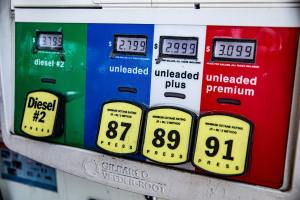
Oil companies have taken in record profits this year while we have all felt the pain at the pump. Those companies chose to pay out those profits to their stockholders instead of reinvesting or investing in green energy alternatives. Oil is inexpensive to produce when you consider the cost of production, which is heavily subsidized by the taxpayers.
Perhaps they could have started recycling programs? More on this in my future article on recycling. From The Recycling Bin to the Landfill.

When considering the actual cost of the oil business, you must consider all the following:
Tax laws produce a much lower rate of taxes paid by oil companies than other industries. Tax laws are complicated. That is purposeful so that corporations and those with loads of money can use the rules they have helped put in place to save money. Something called tax deferment is used by oil companies. The Trump corporation, sorry, I mean the administration cut taxes on the U.S. corporations, including on deferments, saving the oil companies millions.
Oil companies also receive massive subsidies. That my friends in money coming directly from you and me. Unless you are incredibly wealthy or an oil tycoon, in which case, you are receiving the money instead. The numbers are truly staggering from the International Monetary Fund. Coal, gas, and oil companies received 5.9 trillion in subsidies in 2020. Ah, yeah, that’s a capital T. Oil and gas receive billions of dollars a year in subsidies. Imagine the oil companies have billions of dollars in profit while receiving billions of dollars in subsidies. I am pretty sure I could manage that as well.
Getting down to brass tacks. Fossil fuels are a major contributor to Climate Change. There is a cost associated with unprecedented manmade climate change. According to NPR, Climate Fueled disasters cost the U.S. economy 165 billion dollars in 2022 alone. According to Forbes, the estimated cost of the increased number and magnitude of heat waves is 1.5% of the GDP per capita for the wealthiest nations.
The process of refining crude oil uses energy and produces both air and water pollution. Oil spills and environmental impacts of drilling for oil also need to be added to the list of costs.
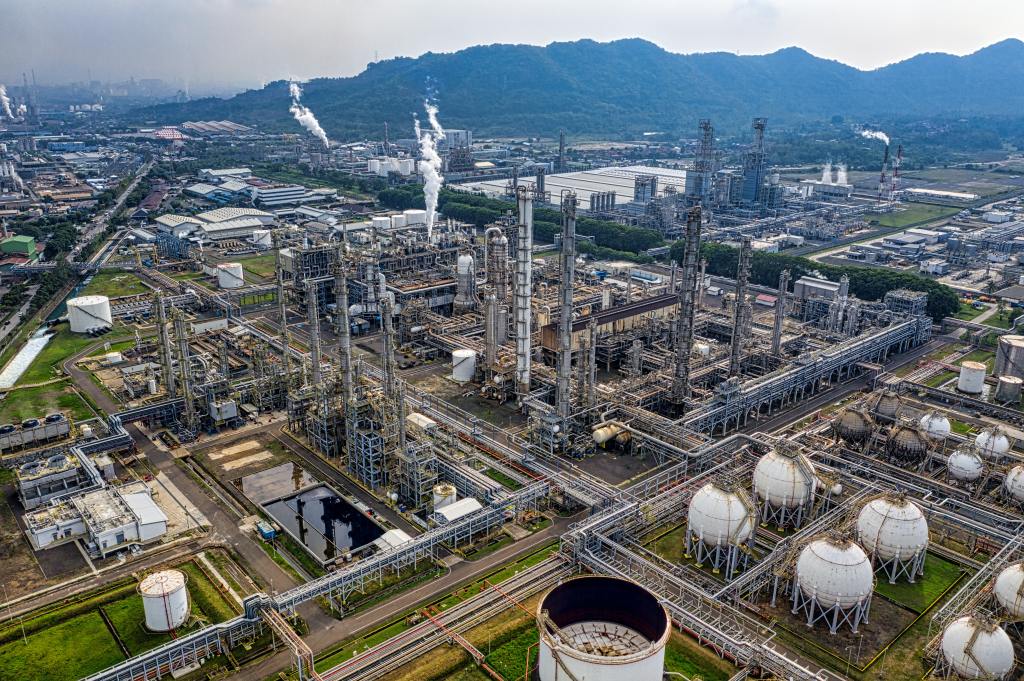
Plastic production is an energy-intensive process that produces Greenhouse Gases. Plastic products are not biodegradable. And while they will very slowly break down over time, they break down into Microparticles. Microparticles are microscopic plastic particles that have been found in the oceans, organisms in the sea, and in land animals, including human beings.
How is oil in the ground turned into plastic shopping bags or toys?
Scientists discovered they could take long molecules in fossil fuels and string them together to form synthetic polymers. Long chains of these molecules strung together to form the basis of plastics. By using different starting molecules as building blocks and putting them together in various arrangements, scientists developed a diverse catalog of plastic products.
While plastics are useful, they are also harmful. Cost-benefit analysis is so one-sided that it would lead any sane person to conclude that we can do better. So, why haven’t we and why aren’t we, and why won’t we? Next week we will dive deep into the corporate con of recycling in my article.
What’s to be done, then? Well, of course, the answer is obvious. We need to recycle, reuse and reduce. Okay, sorry, we are so stupid. How did we fall for this? Come on. Before I start, I will stop here and point to our following articles, where we will explore our options as a society in greater detail.
I have a challenge for everyone reading this article. Plan out a few simple menus. A day, a few days, or a week if you want an impossible challenge. Make a grocery list. Then go to the store or stores and shop for what is on your list without using single-use plastic.

If you enjoy reading these articles or find them interesting, please hit the like button and subscribe.
Take care, and stay curious.
 T.L. Johnson