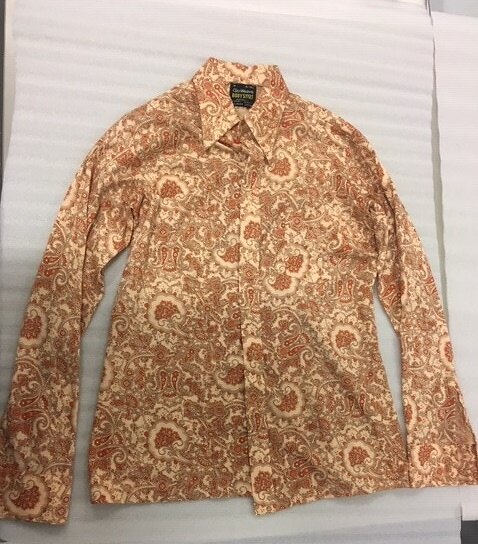
When I hear the word polyester, I think of those shirts I loved to wear in the seventies. You know, they came with funky patterns, bright colors, and those large pointy collars. You still see guys wearing retro throwback styles sporting the colors and patterns sans the enormous collars. I have a confession for you. I would dearly love to be wearing them today. But I have fashion consultants who have better taste and fear how my appearance might affect their standing in society. Ie. A wife and adult children.

When I asked my wife about polyester, she recalled fond memories of the purple polyester pants that her mother made for her as a child. Alas, there is no documented evidence. Then there were the polyester suits, you know, those brightly colored tightly fit matching sets you might associate with Disco.

To most people, polyester conjures up a vision of a poor-quality synthetic fabric used to produce cheap clothing. The truth is that polyester is the most commonly used fabric used in producing the textiles used in clothing today.
The word poly (meaning many) tells you that polyester fiber comprises many esters. The ester portions come from Ethelyne, which is found in crude oil. Yes, that crude oil. Ethelyne is the monomer that is processed into the polymer polyester.
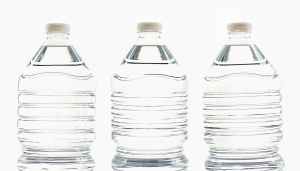
Fossil fuels are used to produce the synthetic fiber polyester. It is, in fact, a form of plastic. What!
The same material used in making polyester fabric is used to make plastic water bottles. Patagonia has used recycled polyester from plastic soda bottles to make clothing since 1993.
This is the paragraph that explains what is good about polyester.
Polyester fibers are cheap to produce. Plus, they have certain advantages over natural fibers. They are more resilient to sun, water, and pests. Polyester fabrics are breathable, wrinkle-resistant, and flexible. They are ideal for use in outerwear and give shape and durability when combined with natural fibers. There really is a lot to be said about polyester.
The problem is if you were to make pros versus cons comparison, you would very quickly realize the sheer madness of it all. The above paragraph would be the extent of the conversation for the pro polyester. But its profitability is the biggest reason for its dominance as a fabric fiber of choice. Oil companies make over 400 billion dollars annually, and plastic production is projected to triple by 2050. As for the cons, they will take up the remainder of this article. The problem, of course, is that no argument, regardless of its merits, morals, or validity, can stand up to avarice, greed, and the avalanche of misinformation billions of dollars can afford you.
Millions of polyester textiles are produced yearly, and all of them will be buried in landfills. Where it will sit for an estimated 20-200 years before it decomposes.

There are over 100 billion garments produced each year. That is with a B. Over 92 million metric tons of polyester are produced each year.
Roughly 100 million metric tons of clothing are thrown away each year. Enough that a garbage truck full of old clothes could be delivered to your house every second of the day, every day of the year.
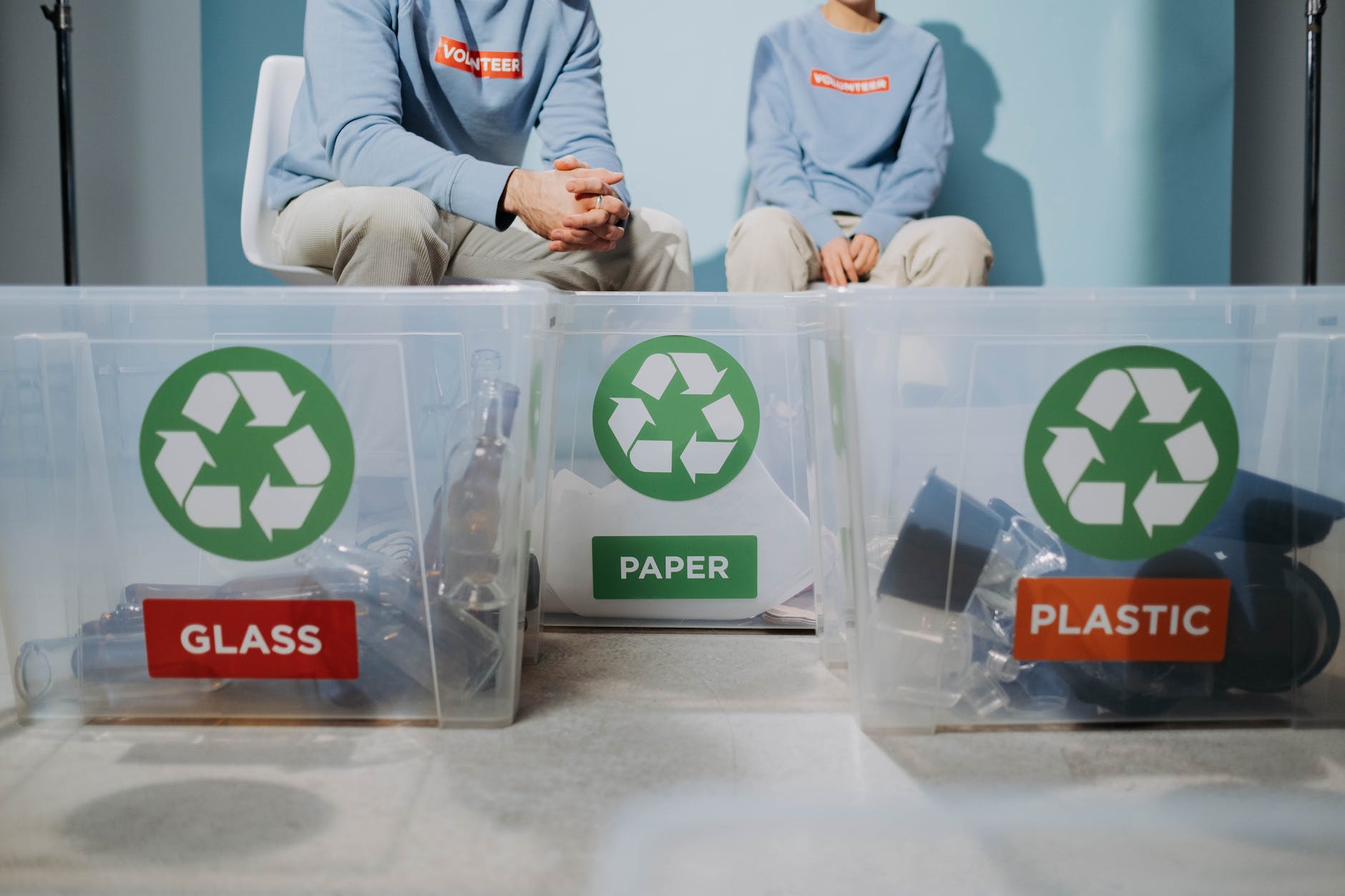
Thank goodness for recycling, then. I mean, it is up to each of us to…. Blah, blah, blah. Only 1% of Polyester clothing is recycled even though it is recyclable, and it is cheaper to produce recycled fabric than virgin stock.
I know you didn’t know. If only you knew, you could put your polyester clothes in the proper bin, and then the waste management truck would take them away and recycle them. Stay tuned for the upcoming article on Recycling the Opiate to the Masses. Another corporate con.
Oil companies are making incredible profits. They are not going to put themselves out of business by funding recycling programs that would theoretically cut into those profits. News flash, they have looked into it. Recycling is not economically sustainable, ie. Profitable. More on this later; stay tuned.
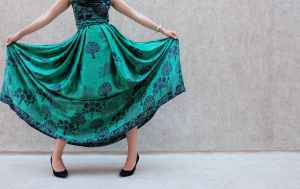
More than half of our clothing is made from synthetic fibers made from oil. So, why is this a concern? To answer this question in more detail, let’s take a look because Life is a Process: From Fossil Fuel to Flowery Dresses.
How is oil made? How we get it, and how it is used. Finally, we will circle back to the environmental impact of using fossil fuels to produce clothing.
The following is a basic primer on how fossil fuels form. Plants grow by taking the energy of the sun and tying it up into molecules of glucose. This process is called photosynthesis. You and I use the energy trapped by plants as well. We get our energy from the food we eat. Well, oil and coal contain the same kinds of energy which they also received from the plants.

Plants that grew and captured the sun’s energy millions of years ago. When those plants died, under certain circumstances, the plants would decompose slowly, and those glucose monomers get strung together to form long chains of polymers. Eventually, over time and under intense heat and pressure, oil and coal are formed. Trapped inside the fossil fuels is the energy from that ancient sun. Additionally, and significantly, carbon and oxygen are trapped within those massive molecules. When burned, they release the energy of the sun and the stored carbon dioxide.
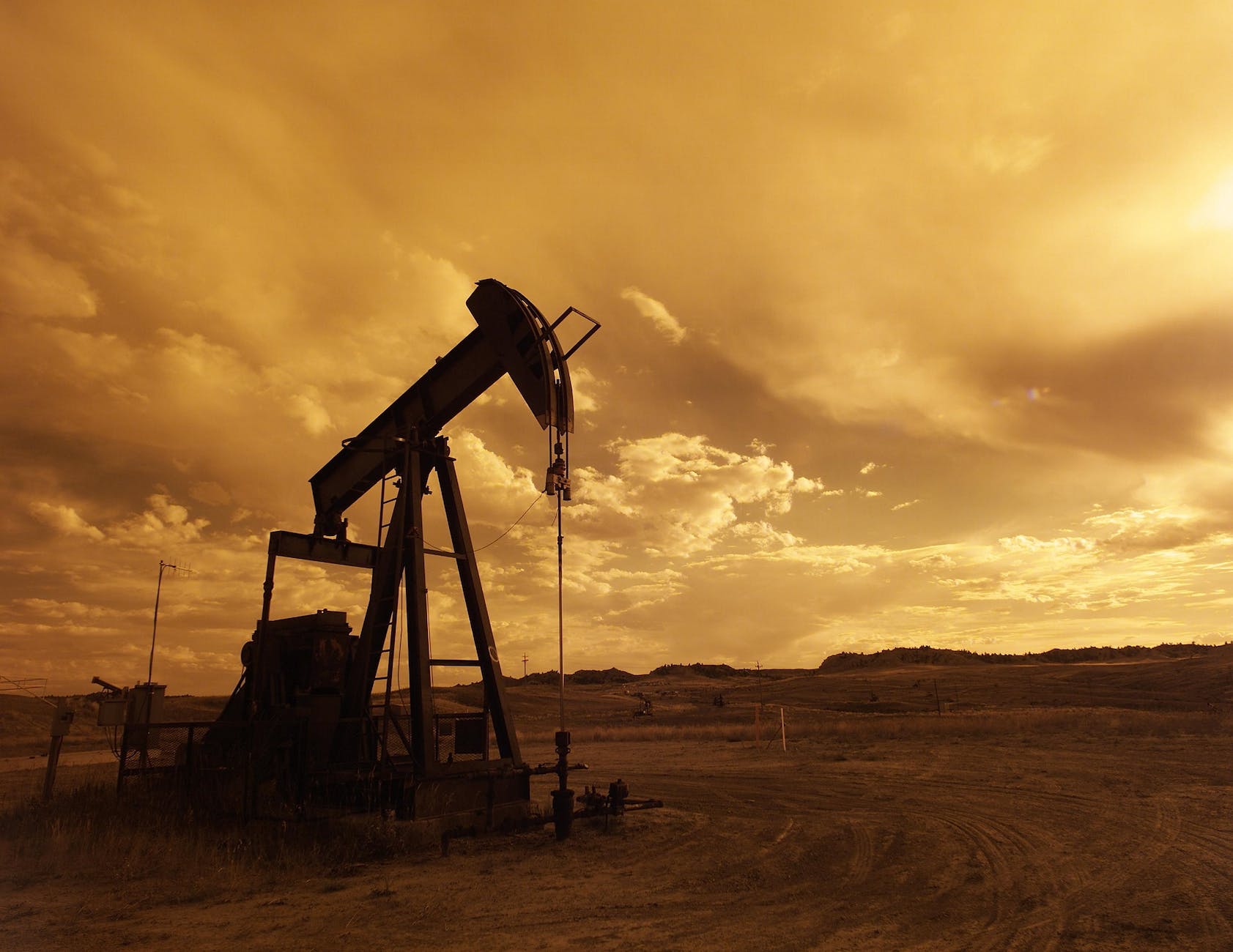
The Chinese discovered coal roughly 4000 years ago and used oil in lamps around 2000 years ago. The industrial revolution kicked off in the early 1700s in Great Britain and soon spread throughout the world. At this time, coal fueled the machinery of the day. But the modern use of oil and gas dates to around the middle of the 1800s.
Coal was dug from the ground and burned. Mining and the burning of coal produce direct and secondary environmental issues. Coal was thought to have peaked but has seemingly resisted ecological concerns, and its use continues to increase.
It was assumed we would reach peak oil some time ago. After all, it is a nonrenewable resource. But advancements in technology have kept production levels increasing. These new technologies are even more ecologically harmful than those of the past. Factor in drilling in fragile ecosystems, offshore oil rigs, pipelines, and all the ecological disasters associated with leaks and spillage, and you have a recipe for more harm to both nature and human health.
Once you have taken the oil from the ground, you still need to process the crude oil. Processing oil is called cracking. The larger polymers are cracked using heat and catalyst into smaller components which include everything from gasoline, butane, pentane, heating fuel, Jet fuel, asphalt, and ethylene.
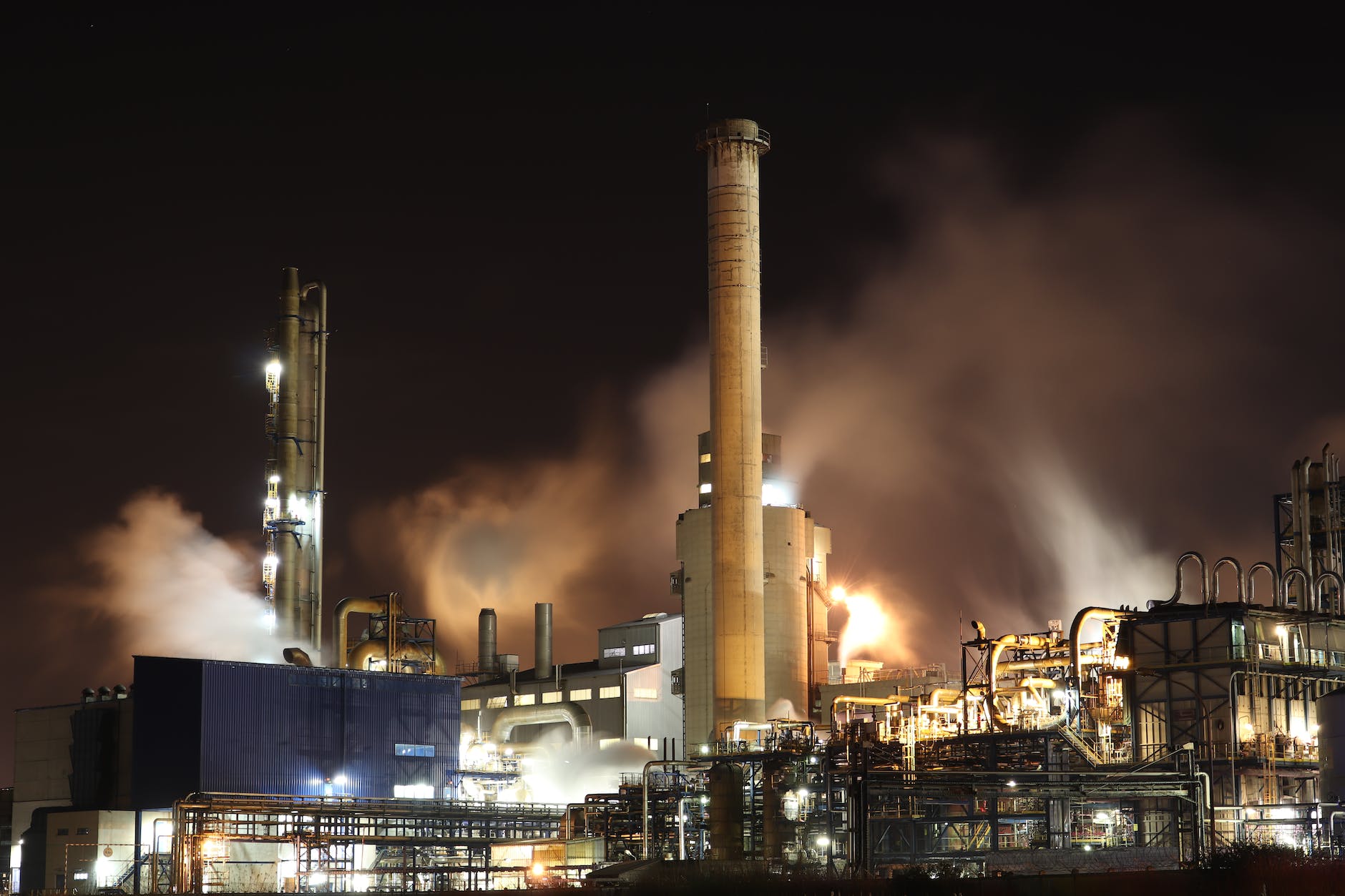
The process of converting oil to component parts is energy and resource-intensive, requiring large amounts of water and energy. Refineries are also a source of water and air pollutants which disproportionately affect the poor and dispossessed.
At this point, you are ready to make polyesters which include another process, more water though arguably less than is used to produce natural fibers such as cotton, and another mixture of toxic chemicals to extrude the synthetic fibers that will go into making the fabrics of today’s garments.


You still have to process the fibers into fabrics and textiles; finally, they must be processed into the finished product. Most of this work is done in deplorable working conditions under exploitative economic circumstances, sometimes including slave labor and child labor practices.
The cost of producing polyester fiber is incredibly inexpensive. Unless, of course, you were to include the cost of pollution, climate change, and environmental impact on health generated by the entirety of the process. Which we ignore. Still, after it is processed into fabric, dyed, and transformed into the finished product, its price is still competitive with clothing made from natural fibers such as industrially produced cotton.
As you can see, this entire process has massive negative environmental and humanitarian impacts. And we have yet to discuss the detrimental effects of annually producing 92 million tones of polyester products. As we’ve mentioned, they end up in landfills and take decades to biodegrade. And yet there is another concern. One that may be even more problematic.
When you read the above paragraphs, you get a pretty bleak picture of human decision-making. Look, I own lots of polyester clothing. I am well read and trained in the sciences, and yet I did not fully understand the implication of polyester and further plastics on our health and environment. Still, having learned all about those impacts, what scares me even more, is something I have yet to mention. Microplastics!
Microplastics are everywhere. They are small, almost microscopic pieces of plastic that shed off plastic containers, and, yes, they even come off our polyester clothing in the wash cycle. And they are everywhere. In the water and even in our blood. Scientists are studying the effects of microplastics on living organisms, and so far, it doesn’t look good. The jury is still out on how dangerous they are and the long-term effects.
Nanoparticles are even smaller particles of plastics that are harder to survey due to their tiny size. But that tiny size may make them even more dangerous. What would the effects be if high concentrations of nanoparticles build up on cells? Ahhhhhhhhh! That was me as I ran screaming from the room. Though where would I go. These particles are literally everywhere. For more on microplastic pollution, you can check out Nature.
While the number of microplastics is currently probably too low to cause harm to humans, scientists think. The amount in the environment will only increase over time. Some estimates suggest it could reach 10 million tonnes by the year 2040.
Now, of course, all of the micro and nano plastic are not from polyester, but it is a contributing factor. And I think you will agree with me that we can do better.
In From Cotton to Clothing, we looked at sustainable natural fiber alternatives and how, as consumers, we can make a difference.
As a start, it would help to buy clothing made from recycled polyester. It would be even better to buy clothing made from sustainable organic natural sources.
Buy less.
Buy high-quality, long-lasting clothing.
Let me know how I’m doing. Subscribe to have new posts sent directly to your email. Hit that like button. Leave a comment concerning what questions you would like me to explore.
Take care, and stay curious.
 T.L. Johnson