
This is not a Fluff Piece.

Disclaimer 1: If you are weak of heart or running low on hope, proceed no further; the topic of this week’s article is not for the faint of heart. You’ve been warned.
Nuance – a subtle difference in shade or meaning. I thought perhaps it might be helpful to take a nuanced approach. Not sure it will help. What I discovered is that we, you and I, are betwixt a mineral deposit and the water on Lake Pewaukee in January. That’s right between a rock and a hard place. So, strap on your best pair of whitey tighties and listen up. Because this article is about to knock your cotton socks off.
Disclaimer 2: You’re right. You may have read my articles on Potatoes to Potato Chips or From Chicken to Egg, and those other articles did not have disclaimers. But I think this article needs one, so here it is. While this article may well inform and entertain you (It will, I promise. See the disclaimer about the promise concerning you being informed and entertained at the bottom of this article.) It will make no one, and I mean no one, happy. Well, maybe organic cotton farmers will read it and be like. We’ve been telling you that all along. “Yes, we aren’t very efficient. We produce less cotton per acre, and we use a lot of water but – but we use fewer pesticides and fungicides and synthetic fertilizers. Therefore, we are more (see Def. Nuance above) sustainable.”
Disclaimer # 3: The above is not a quote from an actual organic cotton farmer.

I thought cotton would be a fun, fluff piece to write. But the history of growing cotton brings up the history of slavery and the unjust oppression and discrimination black people have suffered. I mention this only to acknowledge the horrific and sad treatment of fellow human beings and as a reminder that there is no space or place for racism.
By the way, this is a reader-suggested topic. And cotton is one of the most common fabrics used in the fashion industry and a staple in my wardrobe.
It’s a natural fiber, and thus it is- Natural. Which, of course, makes it fantastico.
It’s a word, and I am not the first to use it. Okay, no points are awarded for the extra o when playing scrabble. But still.
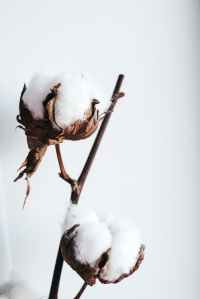
Natural fibers, what could be more natural than that? Cotton is used in a wide range of applications, from T-shirts to cottonseed oil. I never made that connection. Denim is cotton, which, now that I think about it. I knew that. Upulstry, curtains, sweatpants, and yes, underwear.
India and China produce the most cotton. The U.S. and Brazil are third and fourth but by a significant margin. But interestingly. The U.S. is the largest exporter of cotton in the world. You see, we don’t process raw cotton into cloth. Other countries do this cheaper primarily by paying workers meager salaries. Disclaimer 4: Opinion, and yes, I am being a bit judgy here. (lacking Nuisance.) On closer inspection, there are as many social and justice issues as environmental issues with the growing and processing of industrial-scale cotton.
You are probably reading this, and while being highly entertained and informed, you might wonder where all my angst is coming from. Let me tell you. Cotton is a fine, fabulous, really natural fiber. But growing cotton on an industrial scale is far from sustainable. Boom – Nuance. It’s the juxtaposition of states. One: Cotton, that wonderous white fluffy cottony (if you will) natural growing plant so readily supplies a fiber for comfortable and fashionable clothing. Two growing enough cotton to supply the fast fashion industry means using intensive industrialized farming practices that are devastating to the environment and exploitive of its workforce.
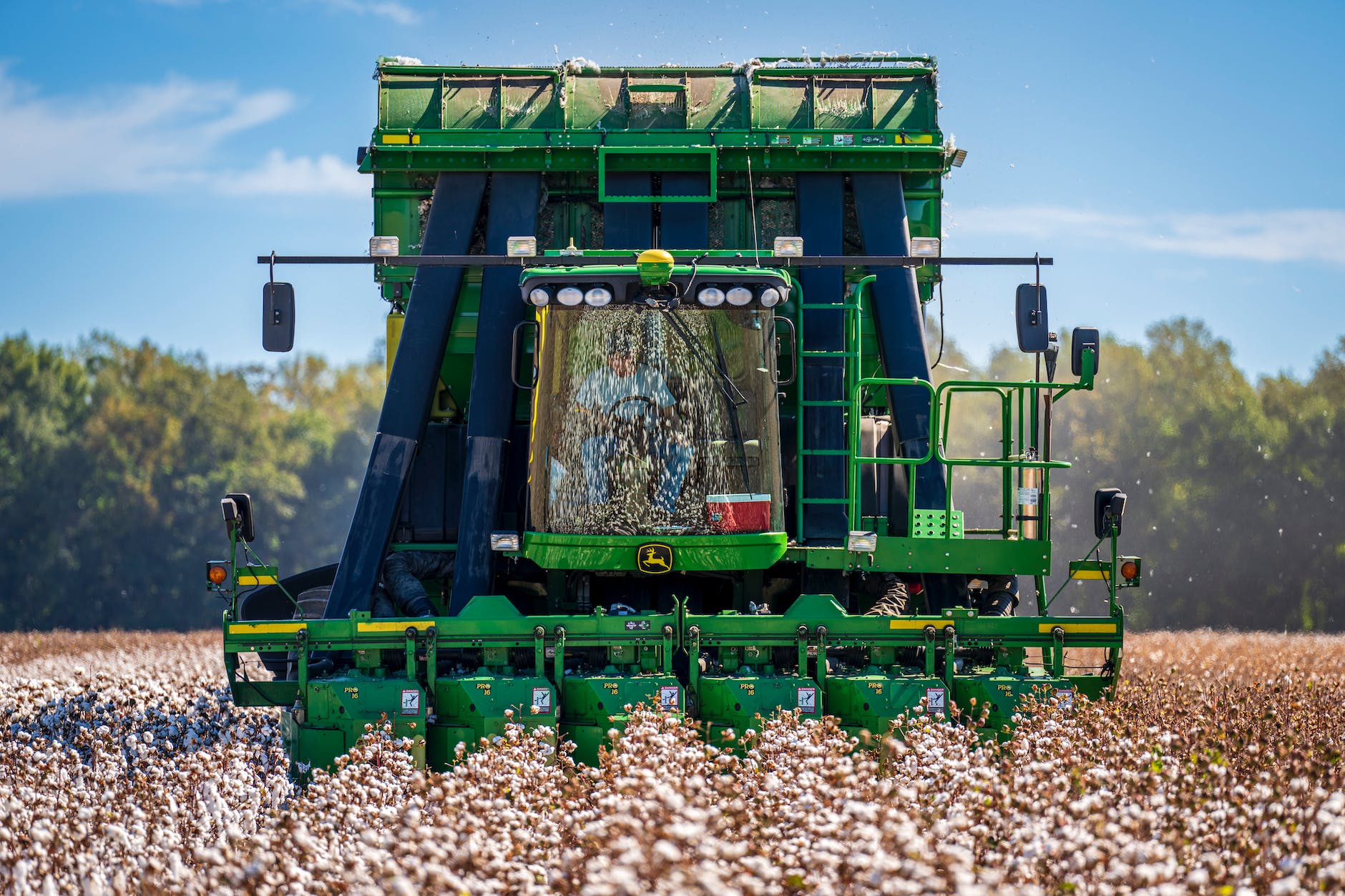
It takes fossil fuel to plant and harvest the crop. The process includes the spraying of deadly chemicals and the spreading of synthetic fertilizers. Industrial farmers in the U.S. use fossil fuels to transport the cotton to far-off countries thousands of miles away, where they use low wages and exploitation of workers to enhance economic efficiency. Then they use fossil fuels to ship it to market, perhaps thousands of miles. Perhaps to the store down the street from your house.

Now, some will say. Bravo! A perfect capitalist success story.

Others will say. We’ve got to be able to do better than that.
Let’s tally just a few of the economic variables not included in the capitalistic success calculation.
Climate change. Water scarcity and pollution of said scarce water by the application of chemicals designed in laboratories for the sole purpose of killing living things. Depletion of nutrients in the soil. Use and the depletion of fossil fuels, which are nonrenewable resources. Cost in terms of human suffering.
From Fiber to Fabric
The natural cotton fibers are processed in large mills that can stretch, twist, turn, and combine them to produce thread and fabric with multiple positive characteristics that make them suitable for clothing. The fibers form durable, absorbent, breathable fabrics that hold dyes well.
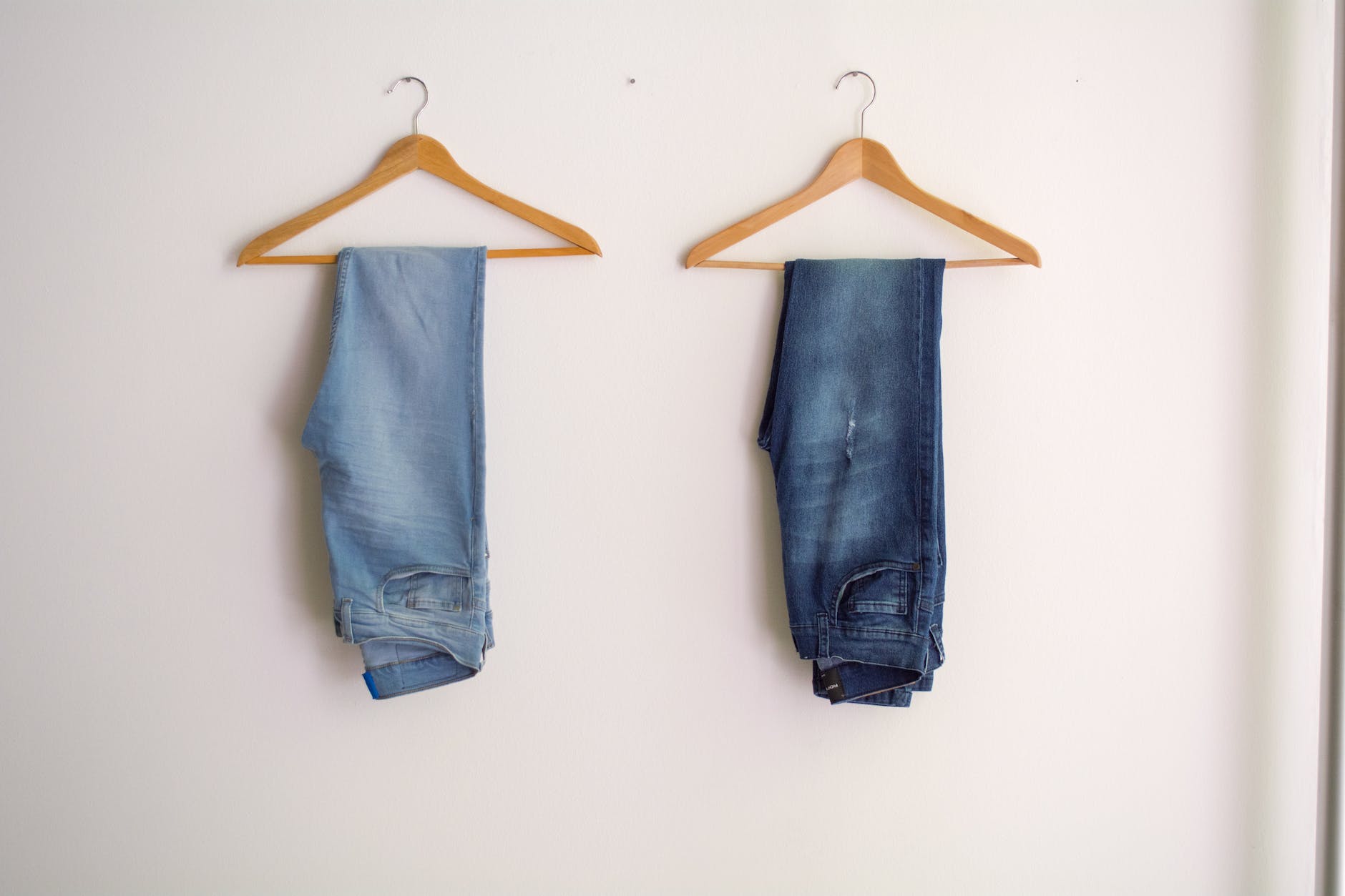
Ideal for clothing, sheets, and jeans. Except for the inescapable environmental impacts. Ah, but are they inescapable. Let’s find out.
| Fabric | Cotton | Polyester | Organic Cotton | Tencel |
| Uses Fossil Fuels | Lots | Lots | Lots but less | Lots |
| Pesticides | So, Many | None | Much less | A lot less |
| Water use | A bunch | Less than a bunch | A bunch | Less |
| Recyclable | No, not really | Yes | No, not really | No |
| Made from Fossil Fuels | No | Over 342 million barrels of oil a year | No | No |
| Microplastics | No | Produces 1/3 of Microplastics found in the ocean | No | No |
| Biodegradable | Yes | No | Yes | Yes |
| Sustainable | No | No | Yes | Yes |
If we look at the table, which was put together by reading articles and comparing sources and quantities concerning the fabrics listed above and then translating that information into qualitative comparisons, some would say almost vague values. (is this Nuanced at all or just vague) we can draw some conclusions.

Our choice has to be sustainable.
We’ve narrowed it down to Organic Cotton, Tencel, Hemp, Silk, and Linen.
Hemp, Silk, and Linen were not on our list because they are made in such small quantities today. But each could be produced sustainably.
The next and more difficult question is: Can any of these sources be scaled to meet society’s demands?
And the answer is. Of course, not. Disclaimer #5: This is a sarcastic, highly jaded viewpoint brought on by many years of observing humanity fail to make long-term strategic decisions even when catastrophic outcomes will result due to inaction. In other words, a pragmatic view of the world as it really is.
Problem: We wear clothes. We like clothes.
One solution is to make our clothes out of polyester. More than half of our clothes are made of synthetic fibers.
Problem: It is stupid to use fossil fuels to make plastic or polyester clothing. First, we were worried that the synthetic fibers wouldn’t break down. Our landfills would soon fill up with our mountains of polyester sheddings.
And then, surprise! Parts of it do break down, after all. It breaks down into little microplastic pieces. I mean, you couldn’t make this stuff up? Microplastics will be discussed in a future article. Stay tuned.
Another Problem: Industrial agriculture is unsustainable. This is another topic for another day, though we touched on the low points today. Uses a lot of fossil fuels. Uses a lot of fertilizers. Water usage. Water pollution. Kills everything but what they are growing to sell. (Including some of us.) Nuance.
Solution: We need to grow natural fibers in an eco-friendly, sustainable manner.
Ecofriendly, not to be friendly to the environment, but so we have a place to live in that will support us living in it.
Solutions:
Buy high-quality, long-lasting clothing.
Buy less clothing. Fewer, better, long-lasting.
Buy from sustainable organic suppliers.

I would be all for going naked, but It’s so darn cold here in Wisconsin. Plus, Thanksgivings are awkward enough already.
Take care. Stay curious.
Until next time. Another thing, subscribe to get the link for the latest article sent directly to your email. Don’t forget to click the like button as well. Thanks for the support.
 T.L. Johnson
Leave a comment