
What came first, the chicken of the egg?
Well, the first chickens evolved from chicken-like ancestors. Therefore, one day, the creature we call a chicken hatched from an egg. Of course, the question on everyone else’s mind is?
Click the button on the right to become a follower.
How much did the egg cost?

Will the egg prices come down?
What is making the egg prices so high?
Folks were asking, and I thought these questions would be highly interesting to explore in an article.

Your local news is going to tell you half the story. some reports I have read delve into two-thirds of the story. But here you’re going to get more of the story. I hesitate to say the whole story because there’s always more to the story.
First, it’s Gas prices, and now it’s Egg prices.
Doesn’t this remind you of something? Periodically, we hear the news anchor asking us similar questions before they go commercial. It’s called a tease.
How much is the average price unleaded at the pump?
Will the prices continue to climb?
How long until the price of gas begins to drop?
Let’s start there. Gas prices go up fast due to actual circumstances beyond the control of the big oil companies.
War – I said War, huh, (Good God, y’all) what is it good for? Absolutely Nothing! Sing it again, Jackie Chan.
OPEC restricts the flow of oil to help support higher prices.
And then they come down super slow even after the crisis is long past. Hmm! Am I the only one who finds this suspicious?
But most gas hikes are due to predictable and sometimes wholly contrived circumstances.
Hurricanes damaging refineries.
Prediction (There have been hurricanes in the Gulf of Mexico before. There will be hurricanes in the Gulf of Mexico again.) Predictable.
Oil prices also rise when:
There is a chance of a Hurricane damaging refineries.
The fear of the chance of a hurricane threatening to damage refineries.

All reasons gas prices have climbed over the years even though we can safely say that hurricanes will hit refineries that are placed in the gulf states where hurricanes occur.
Refineries are being shut down for servicing.

Here in Southeastern Wisconsin – the seasonal gas that is used to help decrease air pollution, which of course, costs more, as well as the temporary increase due to the conversion that needs to take place at the refineries. Even though this is a known scheduled change that takes place every year. It is not a surprise event.
Oil Companies like Chevron in 2022 earning 37 billion in profit and using it to buy back stock so that investors and stockholders make their millions (Instead of reinvesting in and scaling up green energy options)
Chevron didn’t reinvest in drilling for more oil which would, over time, decrease the upward pressure on gas prices because they are not interested in easing the upward prices on their product. They made 37 billion in profits in 2022, my friends. They used 87 billion for stock buyback this year.
Many oil drilling leases are not even being used. Because Big Oil can plainly see there is no future in oil exploration in the long run. But with higher and higher prices, in the short term, they may be able to gouge their way to a really profitable now.
What does this have to do with the price of tea in china or that of eggs in the grocery store?
Prices of eggs have gone up due to multiple factors. Rising inflation increases the production cost of raising chickens. It makes sense that it costs a bit more to raise and ship the eggs.
The egg industry got hit by its own hurricane. The Bird Flu or Avian Influenza H5N1, which had been ravaging birds in Asia for many years, finally made its way to the united states. As of today, According to the CDC, approximately 58 million poultry have been affected in the U.S.
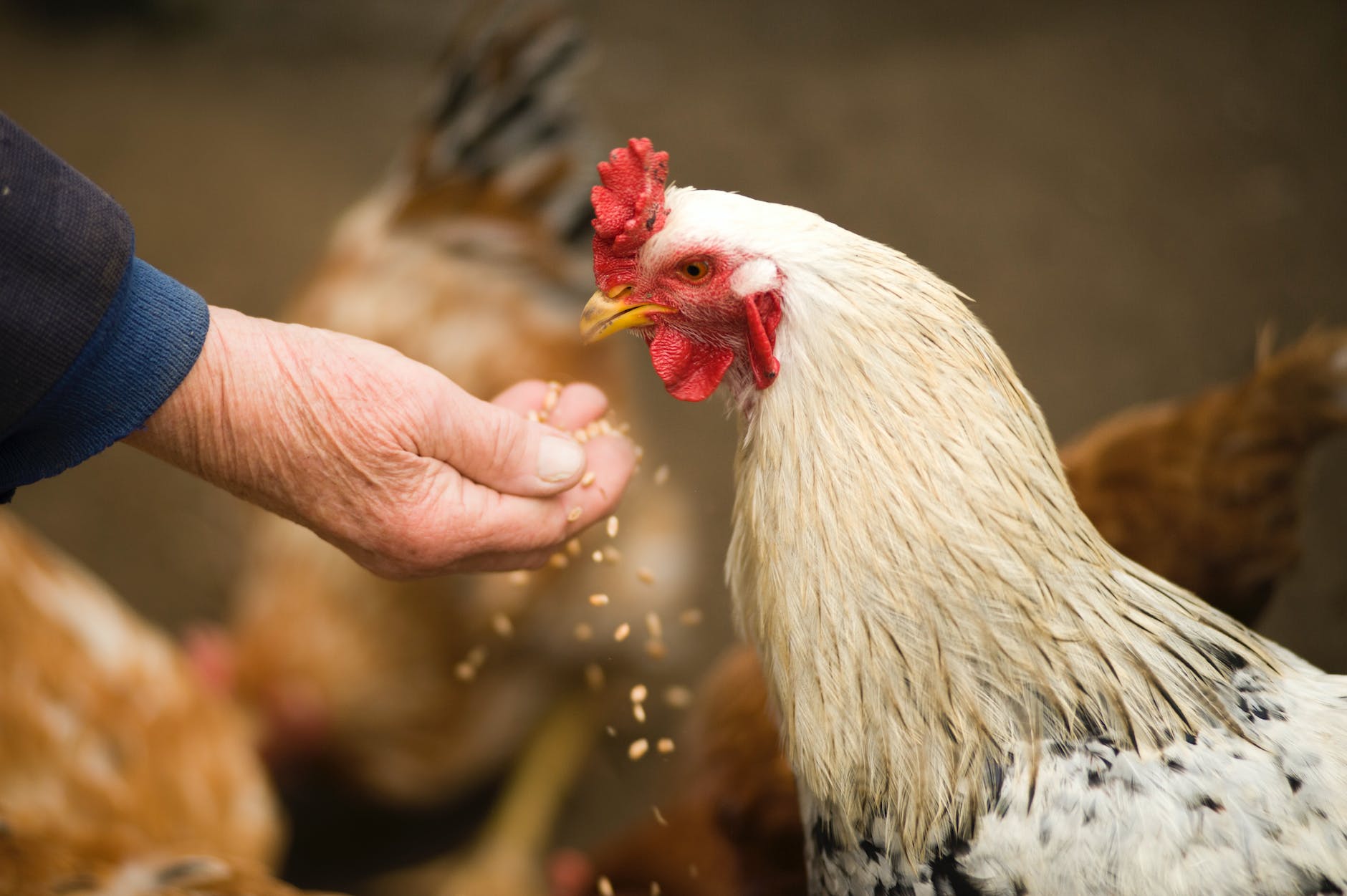
It’s tough on farmers. When bird flu is detected in a flock, the entire flock must be destroyed to prevent the spread of the disease.
It has been a tough year for everyone. Except for Chevron, of course. So, of course, egg prices are a bit higher.
Let’s look at the numbers. It is estimated that poultry losses add up to around 6% of flocks. Inflation has risen 6.5%, so there is some pressure to increase the prices of eggs. This totally makes sense.
But wait! There’s more! Egg prices have more than quadrupled. That is a 400% increase. What could possibly account for the high prices of eggs at your grocery store?
Just so we don’t miss it here. The poultry industry claims their chicken numbers have been decimated, leading to egg shortages. Again the actual losses are only 6%. The increases of 300-400 % just don’t add up.
My local grocery store. Put up a sign saying they were sorry for the inconvenience, but due to the egg shortage, the prices had risen. The bin was full of expensive eggs. There is no sign of an egg shortage. Though there are definite signs of a shortage of affordable eggs.
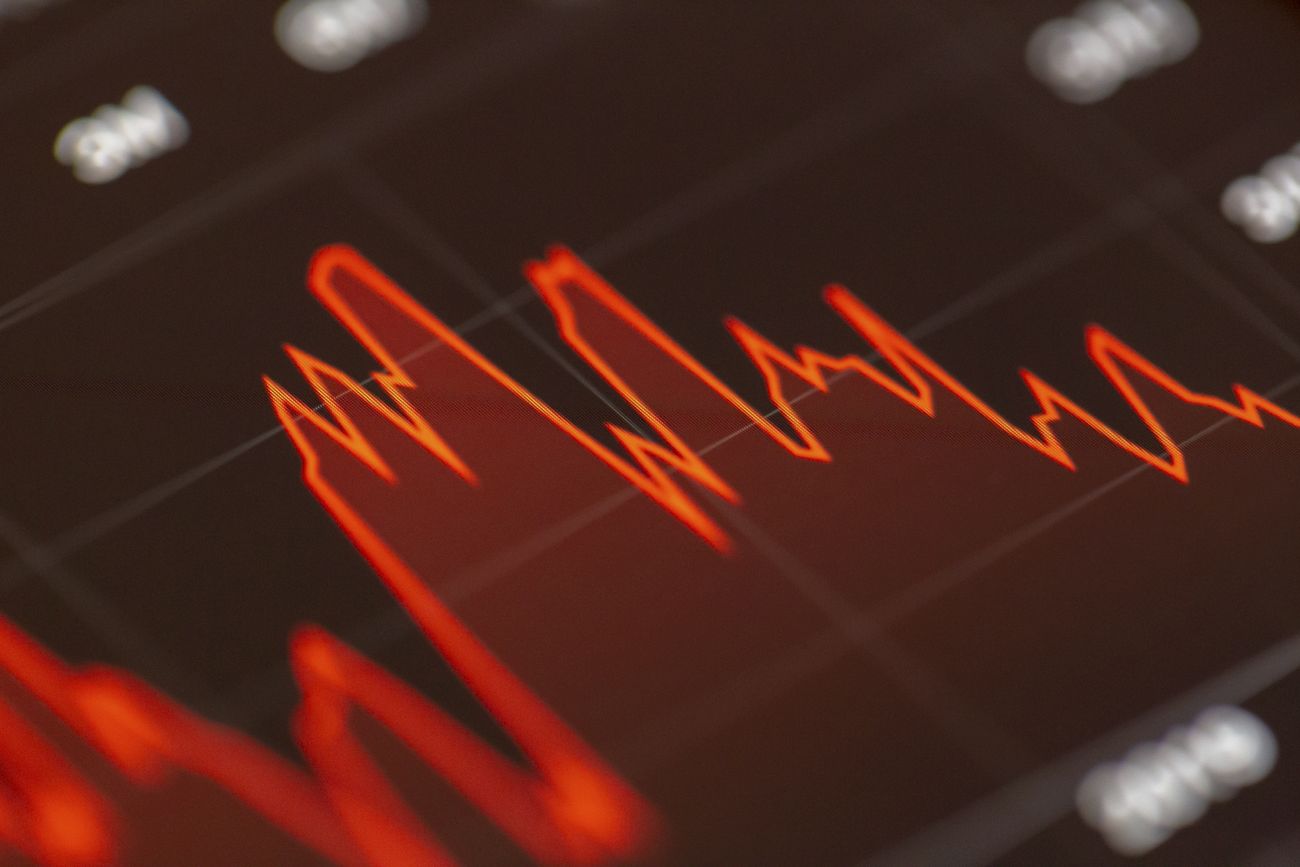
We all know how supply and demand work. Perceived supply works similarly.
That 6% decrease in chickens doesn’t really tell the whole story. The bird flu affected a disproportionate number of egg-laying chickens. By some estimates, the egg-producing chickens were reduced to numbers approaching twenty percent which would produce a measurable decrease, dare I say, a shortage of eggs in some locations.
In certain locales, there are additional pressures to consider. Some states (hopefully, there will be more to follow) have passed laws prohibiting cruel animal treatment practices when raising chickens. In these areas, the poultry industry must modify how they do business. This will be a recurring theme moving forward in the areas of food production as industrialized farming struggles to adapt to society’s expectations and the changing rules.
Every day another news outlet runs a story on the price of eggs.
What is the average price of eggs in the area?
Will the egg prices come down?
What is making the egg prices so high?
Most of the news coverage points to Avian Influenza and then goes on to explain what that is. But as we have discussed, the numbers just don’t add up. More than likely, the egg producers are also taking a play from the big oil playbook.
It won’t be long before the price of a dozen eggs slowly comes down. Eventually, it will settle in at an increase from the past year, something like a 50% increase. Compared to the tripling and quadrupling numbers of this winter, it will feel like a bargain.
Caveat: According to scientists, the avian flu, much like Covid virus, isn’t going to go away. It will be back when the weather warms. We may well experience seasonal swings in egg prices for the foreseeable future.
The problem is complicated. industrial farming is bad for animals, the environment, and us humans. But you must also consider the incredible challenge farmers face in producing billions of fresh eggs for us to consume. The solution is complex as well. The message is easy to state, but the transformation in society is complex.
Humans need to consume fewer animal products.
Ironically we pay this price for eggs at the farmer’s market and feel perfectly fine doing so. On Saturdays during the summer, we pay 2 to 3 times the price for organically grown eggs. It occurred to me that organically grown or free-range chicken egg prices are now quite competitive. This, of course, doesn’t save me any money, but it does make me feel better about my purchase.

Now I’m curious about what organic means when it comes to eggs?
Is buying eggs from some manner of organically grown chicken worth it? What is the definition of an organically farmed egg? Is Free-range the same as organic? Questions worthy of further exploration.
The next news story you will see covered by your local news team is whether folks should raise their own chickens.
Take care. Stay curious.
Until next time, stay curious. Another thing, subscribe to get the link for the latest article sent to your email. Don’t forget to click the like button as well. Thanks for the support.
 T.L. Johnson
Leave a comment