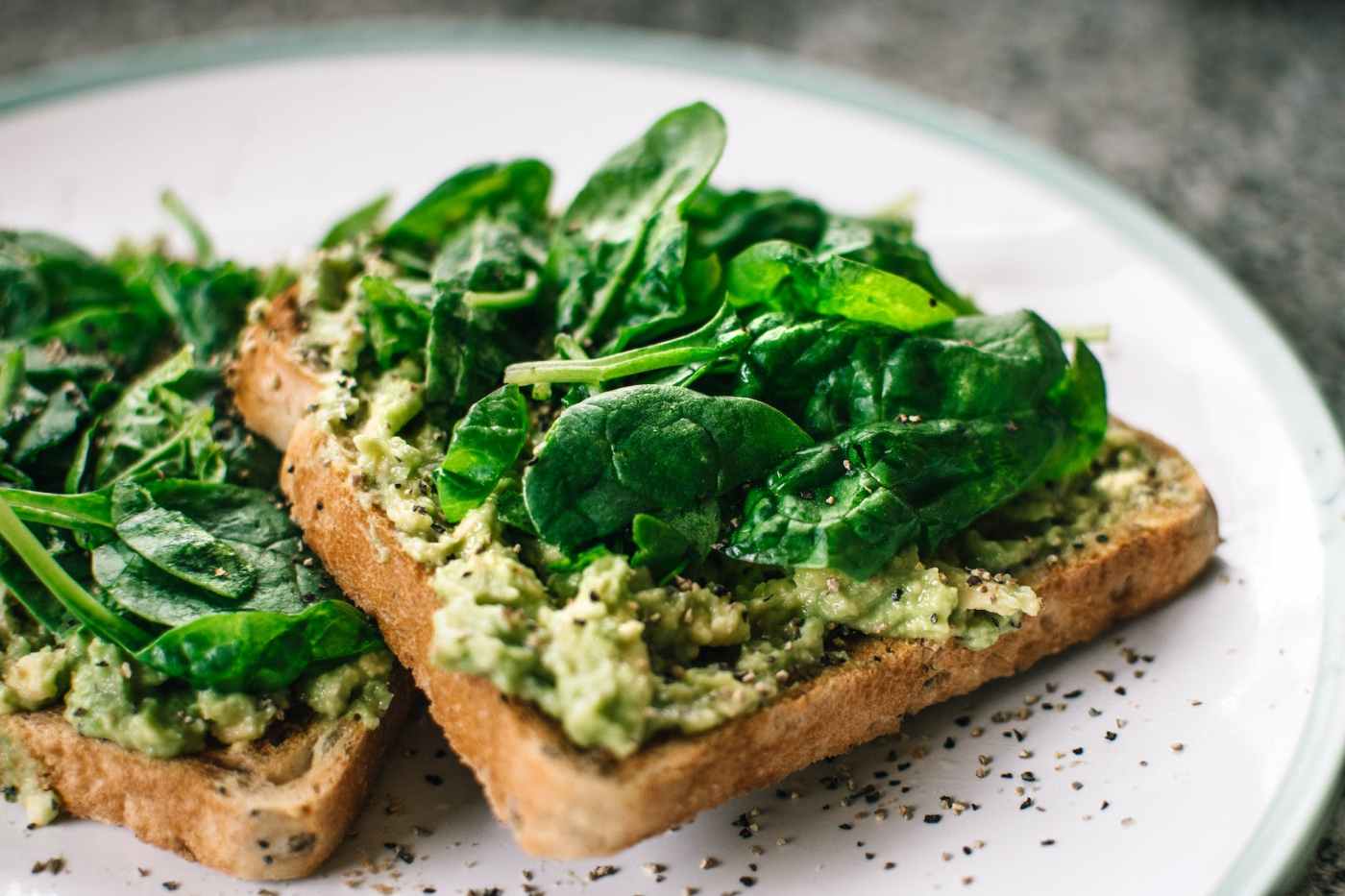
You can easily get all the electrolytes you need from the food you eat. What would you need to eat to match the electrolytes found in a sports drink?
We are going to approach this problem from a few different angles.
Question 1. What is in my Sweat?

Sweat, of course, is mostly water. Your body has evolved to produce water from sweat glands to cool your skin, which cools your blood which cools you. Cool right?

As the water on the surface of your skin evaporates, it leaves the surface temperature cooler. Simple. Dissolved in your sweat are ions we call electrolytes. These salts end up on the surface of your skin. You wash them away when you shower after your workout or a hard day of work.
The salts or electrolytes in your sweat are familiar to us from the article: From Water to Sports Drinks. Here they are again.
sodium, potassium, chloride, calcium, magnesium
Most of the ions you sweat away simply consist of sodium Na ions. This is found in salt, which most American consume in copious amounts.
The average person consumes around five times the daily recommended amount of sodium.
This just in; it may be that a reduction of sodium as a result of exercise may actually be a contributing factor to the observed health benefits of working out, including lowering blood pressure.
Turns out we primarily lose sodium and chloride when we sweat. Table salt is sodium chloride, which we get too much of already. Problem solved!
We lose a bit of potassium and then even more minor, sometimes immeasurable amounts of other electrolytes, including calcium and magnesium.
That’s it, really. Roughly 99% water and maybe 1% salt. And of that, most of it is table salt sodium chloride NaCl, which we consume too much of anyway.
Question 2. How do I replace what I have lost?
Drink water! Before, during, and after your workout. For the rest of us, walking to the dog or mowing the lawn. Have a drink of water when you are thirsty. That’s it, really.

Many of you have strenuous jobs or work out hard or still participate in athletic competitions. You may very well develop minor deficiencies in these other electrolytes.
Question 3. How can I replenish my potassium, calcium, and magnesium?
If you have time, you should sit down and eat. That’s right, each electrolyte is found in copious amounts in everyday foods. Here is a short list of sources. We need to be as effective as the best sports drink. For potassium, we are looking at Pedialyte at 8%. Calcium and magnesium are minute levels in sports drinks. As you will see, coconut water is a drink with all three of these electrolytes.
| Food Type | Potassium | Calcium | Magnesium |
| Sports Drink average | 8% | 0% | 0% |
| Half and avocado | 7% so close | 2% | 7% |
| Sweet Potato | 16% | 5% | 10% |
| Spinach Frozen 1 cup | 12% | 3% | 38% |
| 2 Wedges of Watermelon | 14% | 2% | 7% |
| Coconut Water | 13% | 6% | 1% |
| Milk | 9% | 35% | 7% |
| Yogurt | 9% | 20% | 4% |
| Broccoli | 5% | 10% | 8% |
| Potato | 15% with skin, Duh! | 2.6% | 12% |
| Pumpkin seeds 1 cup | 25% | 3.5% | 37% |
| Salmon | 10% | 30% | 8% |
More about Coconut Water!
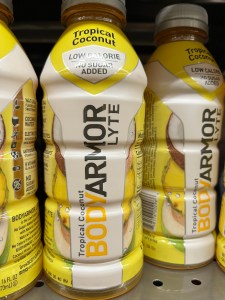
Pressing pause. Coconut water is a good sports drink alternative for all but the most elite athletes. It has some carbohydrates, but less than sports drinks. It has more potassium, calcium, and magnesium than sports drinks. And here, it gets a bit nuanced. It has less sodium which is actually a very good thing for most of us. But because people who engage in extreme workouts lose a lot of sodium, they may be better off with sports drinks.
Perhaps that is why Gatorade began producing its own brand of coconut water.
Throw some pumpkin seeds on your salad, or grab a handful. If you have had a strenuous workout, snack on the salted pumpkin seeds, drink water, and you are good to go.
A word about Spinach. It looks like we could all give up sports drinks and just drink water and eat more spinach.
Peidolyte provides substantial amounts of zinc, which is an essential trace mineral needed in small amounts in your body. 8-11 mg daily. Sources include. Spinach, pumpkin seeds, poultry, red meat, nuts, pork, and whole grains.
Perhaps this is why Gatorade has come out with the following:
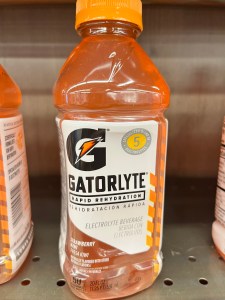
Less sodium and sugar than regular Gatorade. 8% DV Potassium. 10% Calcium, 25% Magnesium, and 45% chloride. Interesting. Or we can choose to eat a healthy balanced diet and drink water, milk, etc.
Vitamin B6 – is needed to keep the immune and nervous systems working properly. Most people get enough B6 in their diet. 1.5 mg a day. Vitamin B6 is found in leafy green vegetables, fortified cereals, broccoli, and chickpeas, to list a few.
Vitamin B12 – is needed in the production of red blood cells and in maintaining proper metabolic rates. Most people get enough B12 in their diet. 2.4 mg a day. Vitamin B6 is found in meat, fish, eggs, and dairy, as well as fortified cereals, to list a few.
To subscribe, hit that button. You will receive a notification when the next article is posted. Please let me know what you found interesting and what you are interested in learning more about. keep your comments on topic and be nice. I mean, why not.
Thanks for tuning in. Until next time, stay curious.
 T.L. Johnson
Leave a comment